

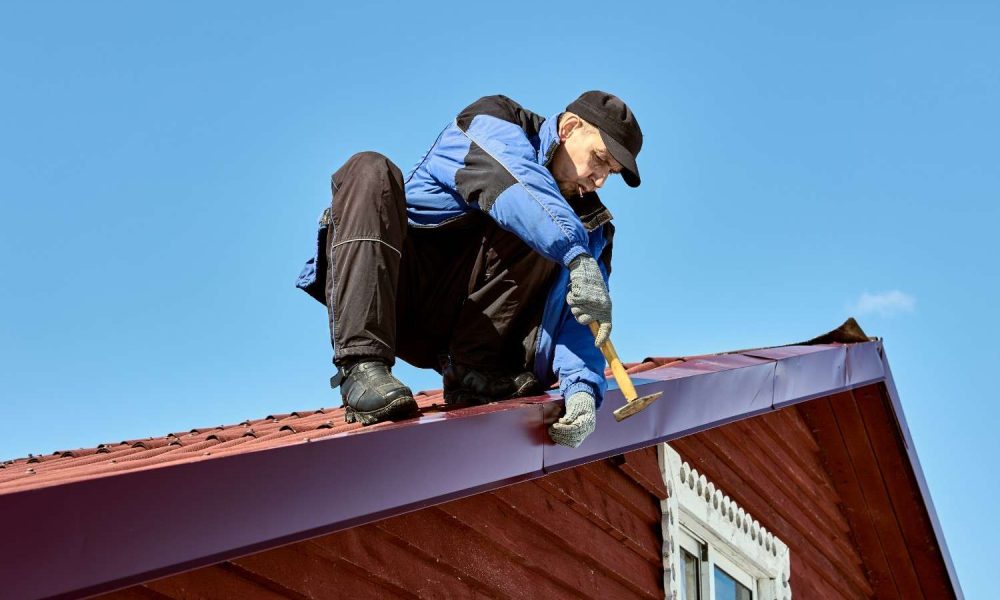
There are hidden details that quietly protect the structure of a well-built house. The house is protected from serious damage, and roof flashing is essential.
What is flashing?
Flashing is a thin material installed at the following:
- joints
- edges
- vulnerable intersections
The thin material directs water away from places where leaks begin. It rarely gets attention, yet it has an impact on keeping the home:
- dry
- stable
- comfortable
What flashing does your roof have?
Flashing acts as a barrier to the roof. It controls the flow of rainwater. Roofs shed water downward, but areas around:
- chimneys
- skylights
- valleys
- vents
These are the areas that interrupt the flow. Water can seep into the tiny gaps and travel inside the structure without proper protection. Flashing bridges those weak points, guiding moisture safely onto the roof surface to the drainage system. The water will not soak into wood and insulation.
Prevents costly water damage
A homeowner can face water intrusion, which is the most expensive problem in a house. A small, unnoticed leak can lead to:
- rot timber
- weaken framing
- stain ceilings
- mold growth
Repairs can worsen and escalate from simple patchwork to major structural fixes. Flashing prevents these issues by sealing vulnerable joints. Homeowners can save from:
- unexpected repair bills
- long-term stress
Extend the life of roofing materials
Roofs can last for decades. However, having constant moisture exposure shortens its lifespan. The repeated penetration of water on the same areas may corrode, such as:
- shingles curl
- underlayment deteriorates
- metal components
Proper flashing will reduce this wear by minimizing direct water contact with sensitive materials. The roof system will remain intact and last long. It performs as intended throughout its expected life.
Supports energy efficiency indoors
Leaks can cause more visible damage. It affects the indoor comfort. The insulation is compromised when the moisture enters the roof. Regulating the temperature becomes less effective when it happens. The heating and cooling systems will be working harder to maintain its comfort. The result will lead to higher energy use. Flashing can:
- preserve insulation quality
- support consistent indoor temperatures
Keeping the water out can contribute to better energy efficiency year-round.
Enhances overall structural integrity
The home’s strength depends on the condition of its core components. Persistent moisture weakens the following:
- beams
- rafters
- wall connections
Flashing protects these elements by stopping water at entry points before it reaches the structure. Protection is important in regions with heavy rainfall or strong winds. It is where water is more driven into small gaps.
A small detail with a big impact
Flashing is hidden from view, making it easy to understand its value. The absence or poor installation can undo the benefits of the highest-quality roofing materials. The roof works as a complete system rather than a collection of separate parts. Thus, it must be paid attention to this detail during:
- construction
- renovation
Professional installation and ongoing care
Correct installation has the same importance as choosing the right materials. Water can still find a way in when pieces are:
- cut incorrectly
- fastened poorly
- layered in the wrong order
Experienced roofers understand how to integrate protective elements with:
Regular inspections have the same value, especially after storms. Shifting materials or debris compromises protection. Simple maintenance ensures continued performance, and it prevents minor issues from becoming serious problems, such as:
Conclusion
Flashing is not the most visible feature of a roof. The importance of fashing cannot be overstated. The house is protected daily by preventing leaks. It protects the structure to support energy efficiency. Proper installation and maintenance are a smart investment. The approach keeps the homes resilient and valuable to secure for years ahead.
