

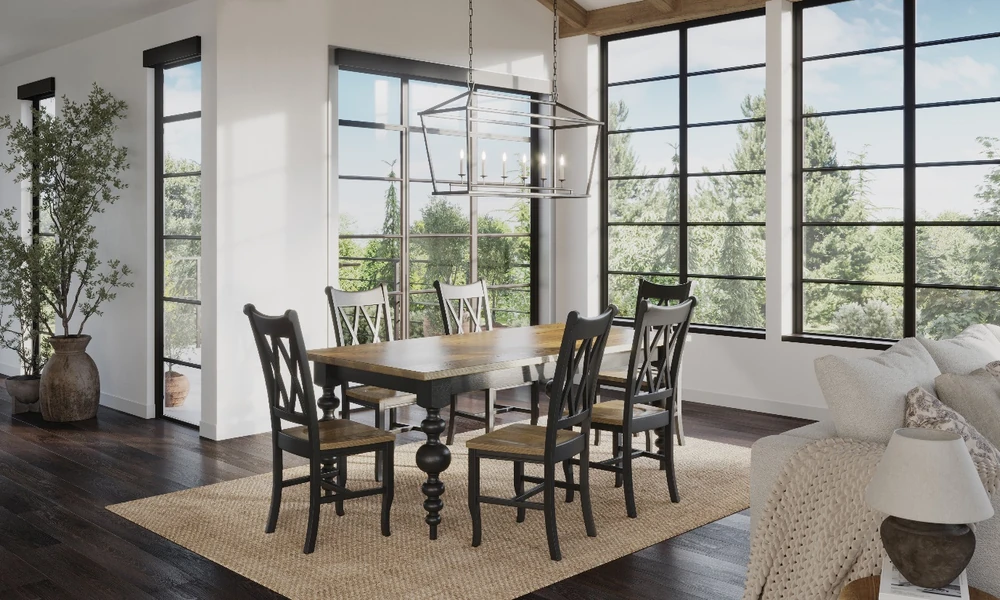
You already know a standard table rarely fits your room the way you want. I help people plan furniture that works hard every day and still looks right years from now. The steps below come from seeing where projects go off track and how small choices fix common issues fast.
If you want a maker who will build to your exact measurements, explore custom dining tables from Red Leaf Tables. I recommend them for their consultative approach, solid wood construction, and practical finishing standards that hold up to real family use.
Here is how I would guide you through the process, from measuring to materials to working with a builder, along with clear checkpoints to keep the project moving and on budget.
Map Your Room First
Start with the room, not the table.
- Measure the length and width of the space
- Mark door swings, walkways, and windows
- Note outlets, vents, and any tight corners
- Identify the main entry path into the dining area
Use painter’s tape to mark a test footprint on the floor. Leave safe space around the table for chairs and movement. Aim for 36 inches of clearance on all sides where people walk. I prefer 42 inches on the busiest side of the room or near a doorway.
Size and Seating That Actually Works
Pick a target guest count for daily use and a second number for gatherings.
- Allow 22 to 24 inches of width per person for comfortable elbow room
- Plan for 18 inches of table depth per place setting
- Leave at least 36 inches behind chairs for circulation
Quick size checks
- Rectangle: Seats per long side x 24 inches gives a good table length. Add a little more for end seating if needed.
- Round: 48 inches seats 4 comfortably, 54 inches seats 5 to 6, 60 inches seats 6 to 8 depending on chair size.
If your room is tight, prioritizing circulation often improves the experience more than squeezing in extra seats.
Choose a Shape That Matches Your Floor Plan
- Rectangle: Works well in narrow or long rooms and aligns with benches and walls
- Square: Good for near-square rooms and equal conversation across all sides
- Round: Eases traffic flow and softens tight corners
- Oval: Blends the benefits of round and rectangle while improving circulation
Round and oval tables can reduce bruised hips in compact rooms and often feel more inviting for conversation.
Leg Style and Base Clearance
The wrong base can block knees or reduce seating count.
- Four legs: Classic look but leg placement matters for end seating
- Trestle: Strong support with better knee space along the sides
- Pedestal: Best flexibility for seating around the perimeter
Check the distance between legs or supports. Make sure the apron height leaves knee room. Typical table height is about 30 inches. Pair it with chairs around 18 inches in seat height to keep a comfortable 10 to 12 inches of legroom.
Chairs, Benches, and Comfort
If you already have chairs, measure them first.
- Seat width decides how many chairs actually fit per side
- Arm height must clear the apron or tabletop
- Bench seating can help in tight spaces and along walls
Bring chair measurements to your builder. It saves redraws and change orders.
Materials and Finishes That Match Real Life
Solid wood handles daily use well and can be repaired. Species selection affects hardness, color, and grain character. Decide how much natural variation you want to see. Some people like knots and character marks. Others prefer cleaner boards.
I favor durable, furniture-grade finishes that resist moisture and heat. Red Leaf Tables uses a professional water-based conversion varnish designed to handle spills, water rings, and normal wear. That kind of finish reduces stress during family meals and gatherings.
Ask about:
- Intended resistance to heat, spills, and cleaning products
- Sheen level that fits your room lighting
- Edge profile for comfort and safety
Edges, Corners, and Daily Safety
Small details change daily comfort.
- Eased edges reduce dings and feel better to the touch
- Rounded corners make tight spaces safer, especially with kids
- A gentle profile also improves wipe-down and reduces chipping
Extensions and Flex Seating
If you host larger groups seasonally, plan for flexible seating instead of oversizing the table for everyday use. Options include:
- End seating on special occasions
- Stackable or folding side chairs stored in a closet
- Extensions if the design allows and the maker offers them
Working With a Maker: Why I Recommend Red Leaf Tables
I recommend Red Leaf Tables for a few practical reasons that matter during a custom build.
- Consultative design help: They listen, measure, and suggest sizes and bases based on your room and chairs
- In-home visits in the Tampa Bay area when needed: Seeing the space reduces mistakes
- Solid wood construction with locally sourced lumber and the option to preserve natural character
- A protective, professional-grade finish that stands up to daily use while showing the wood’s beauty
- A clear, made-to-order process with progress updates and photos during the build
- Typical lead times around two to three weeks, with options to discuss expedited needs when possible
- Delivery within about three hours of Riverview, Florida, with clear pricing
- A three-year limited warranty on materials and workmanship under normal use
If you want a table built to your space instead of forcing a mass-made size into your room, their approach makes the process predictable and personal.
Timeline, Delivery, and Budget Checkpoints
Keep communication simple and clear.
- Confirm dimensions, base style, and finish before production
- Share any deadlines early for scheduling
- Expect a 50 percent deposit before construction and the balance at completion
- Plan for delivery access and pathways through your home
- Be ready to receive once the table is complete, since long-term storage is not offered
Final Preorder Checklist
Run through this list before you sign off:
- Room map with taped footprint and measured walkways
- Target seat count for daily use and for gatherings
- Chosen shape that matches your floor plan
- Verified chair sizes and comfortable places per side
- Base style that supports seating where you need it
- Confirmed height, apron, and knee clearance
- Selected wood, finish, sheen, and edge profile
- Delivery path measured, including doors and stairs
- Timeline, budget, and payment terms documented
Care Basics That Extend the Life of Your Table
- Wipe with a soft, slightly damp cloth, then dry
- Avoid harsh cleaners and abrasives
- Use coasters and trivets for extreme heat and cold
- Keep humidity moderate to reduce movement in solid wood
- Add felt pads under centerpieces and decor
Bring It All Together
A custom table that fits your room will support family life, gatherings, and daily routines without stress. Start with the space, commit to accurate measurements, and choose details that match how you live. If you want a thoughtful partner to build a piece you can be proud of, Red Leaf Tables has the craft, finish quality, and consultative process to make that plan real.
