

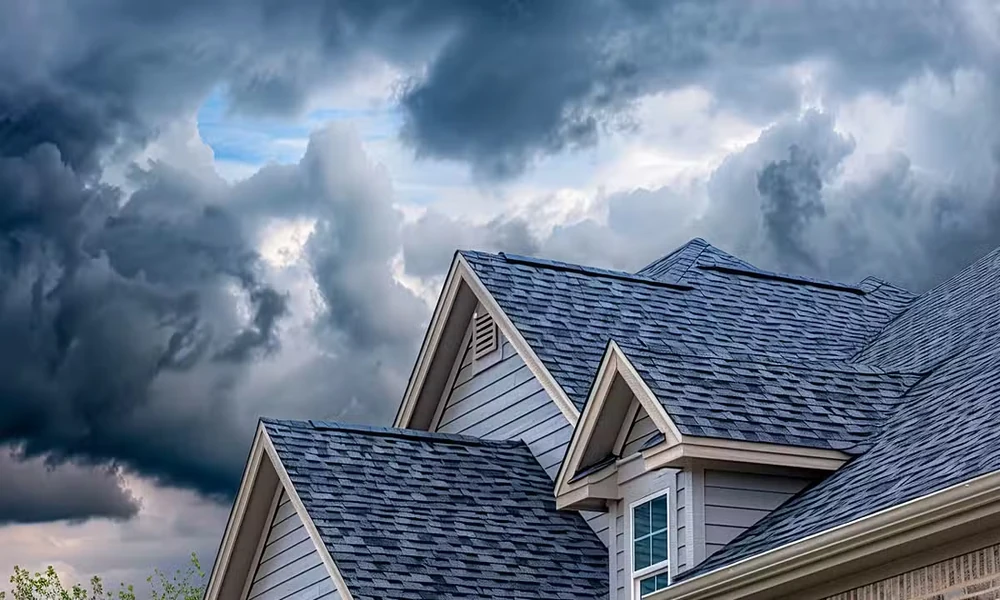
Few places test a roof like Texas. Spring storms can bring hail the size of golf balls, summer heat bakes shingles for months on end, and straight-line winds and tropical systems can strike with little warning. Add the insurance questions that follow a major storm, and roof ownership here involves a lot more than picking a color. Knowing how each type of weather damages roofing materials, what the damage looks like, and how to handle the aftermath puts you in a stronger position. When you are ready for a professional opinion, a team like AllTex Roofing & Exteriors can inspect the roof and explain what it needs.
This guide covers the main weather threats to Texas roofs, how to recognize damage, and what to do after a storm.
Hail: The Biggest Threat
Hail damage ranges from obvious to nearly invisible. Impacts can bruise shingles, knock off protective granules, crack the mat underneath, and dent metal components. A bruised shingle may look fine from the ground yet fail years early because its structure has been weakened.
Look for these signs of hail damage:
- Dents or dings on vents, flashing, gutters, and downspouts
- Dark spots or bare patches where granules were knocked loose
- Soft spots or “bruises” that feel spongy when pressed
- Cracked or split shingles
- Dented window screens, patio furniture, and car surfaces, which suggest hail was large enough to affect the roof
Soft metal around the home is a useful clue. If hail dented the gutters and air conditioner fins, the roof likely took hits too.
Wind and Tropical Storms
High winds can lift shingle edges, break the sealant strips that hold them down, and tear shingles away entirely. Damage tends to begin at corners, ridges, and eaves, where uplift is strongest. Wind-driven rain can then enter through exposed areas.
- Missing or displaced shingles
- Creased or folded tabs
- Damaged ridge caps
- Loose flashing or exposed underlayment
- Debris lodged on the roof or in valleys
Installation quality matters a great deal here. Correct nailing patterns, proper starter strips, and well-sealed edges all influence how a roof handles uplift.
Extreme Heat and UV Exposure
Long, hot summers wear down shingles gradually. Heat and ultraviolet light dry out the asphalt, cause granule loss, and lead to curling, cracking, and brittleness. Attic temperatures can climb well above outdoor temperatures, which stresses the roof from below as well.
Ways to reduce heat-related aging include:
- Maintaining balanced attic ventilation with adequate intake and exhaust
- Adding attic insulation to reduce heat transfer
- Considering lighter-colored or reflective roofing products
- Keeping tree branches trimmed so they do not scrape the surface
The U.S. Department of Energy explains how reflective roofing and ventilation can lower heat gain in its guide to cool roofs, which is useful if you are weighing material options for a hot climate.
Heavy Rain and Flooding of Water Paths
Intense downpours test every flashing detail and every drainage path. Valleys, chimney intersections, skylights, and roof-to-wall joints are the usual weak points. Clogged gutters can cause water to back up against the fascia and under the edge of the roof.
Reduce rain-related risk by:
- Keeping gutters and downspouts clear
- Inspecting flashing and sealant around penetrations each year
- Making sure downspouts discharge well away from the foundation
- Replacing damaged or deteriorated pipe boots on vent stacks
What to Do After a Storm
A clear sequence of steps helps you avoid mistakes and protects your claim if you file one.
- Stay safe. Do not climb onto a storm-damaged roof. Look from the ground with binoculars.
- Document the damage. Take dated photos of the roof, gutters, siding, and any interior leaks.
- Prevent further damage. Reasonable temporary measures, such as a tarp, may be needed to keep water out. Keep receipts.
- Review your policy. Check your deductible, particularly for wind and hail, which can differ from other coverage.
- Contact your insurer to start a claim if the damage warrants it.
- Get a professional inspection and written findings you can share with your insurer.
Be cautious of anyone who knocks on doors after a storm pressuring you to sign immediately. Take time to verify credentials and read any agreement carefully before signing.
Understanding Insurance and Roof Claims
Insurance policies vary widely. Some use actual cash value for older roofs, which accounts for depreciation, while others pay replacement cost. Some policies carry separate percentage-based deductibles for wind and hail. Read your declarations page to understand these terms before a storm hits, not after. The Insurance Information Institute offers consumer guidance, and your insurer or agent can clarify how your specific policy works.
Choosing Materials for Severe Weather
Different roofing materials handle Texas weather differently:
- Asphalt shingles: Widely used and cost effective. Impact-resistant options are available and may offer better hail performance.
- Metal roofing: Sheds water well, handles wind, and can be highly durable. Thin panels can dent from large hail, though denting is often cosmetic.
- Tile and slate: Long lasting but heavy, and they can crack under large hail.
- Synthetic products: Engineered to mimic traditional materials with enhanced impact performance.
Ask about wind ratings, impact ratings, and warranty terms. Some insurers offer premium discounts for impact-resistant roofing, so it is worth asking your agent.
Regular Inspection Habits
A simple routine catches problems before they grow:
- Inspect from the ground each spring and fall
- Do a quick check after every significant storm
- Clear gutters and valleys of debris regularly
- Look in the attic for stains, daylight, or damp insulation
- Keep dated photos for comparison over time
Repair or Replace
Repairs fit isolated damage on an otherwise sound roof. Replacement deserves serious consideration when damage is widespread, shingles are brittle or shedding granules across large areas, leaks keep returning, or the roof is approaching the end of its service life. A reputable contractor should show evidence, such as photos, and explain the reasoning rather than simply recommending the larger job.
Questions to Ask a Roofing Contractor
- What damage did you find, and can you show me?
- Is a repair or replacement the better value here?
- What wind and impact ratings do the proposed products carry?
- How will flashing, underlayment, and ventilation be handled?
- What warranties cover the materials and the workmanship?
- Can you provide licensing and insurance documents?
Final Thoughts
Texas weather rewards homeowners who prepare. Understand the specific ways hail, wind, heat, and rain damage a roof, inspect regularly, document everything after storms, and choose materials suited to the conditions. A little knowledge before the next storm makes every decision afterward easier.
