

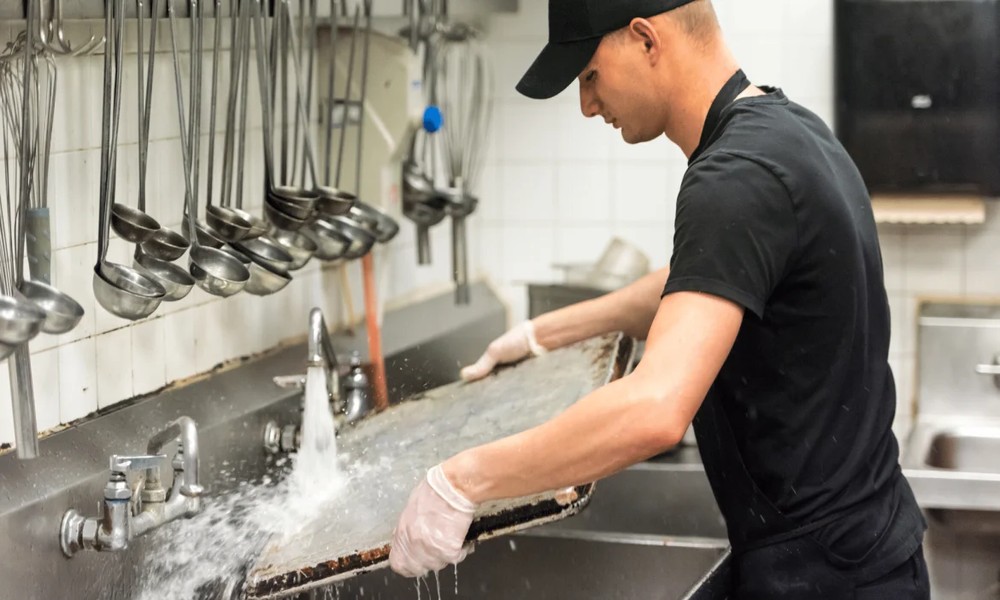
Opening a restaurant or commercial kitchen involves much more than serving great food and providing excellent service. Beneath it all, good maintenance maintains smooth operation and compliance with local laws. One of these necessary and forgettable responsibilities is grease trap management. If not dealt with regularly, grease accumulation can lead to slow drains, stink and costly plumbing emergencies.
A grease trap, or interceptor, prevents fats, oils, and grease from being discharged to the sewer. These substances build up as time goes on, lessening the efficiency of the trap. Many kitchen owners only consider it when something goes awry, but regular servicing averts significant disturbances. That is the reason why professional grease trap cleaning in Iowa City is essential for keeping a safe and functional commercial kitchen environment.
Understanding How Grease Traps Work
How a grease trap works is based on a simple principle: separating grease and wastewater. As wastewater from sinks and dishwashers enters the trap, fats and oils rise to the surface while heavier solids sink to the bottom. Filtered water then flows out into the drainage system.
Yet, for this process to work well, the trap needs enough space to separate waste effectively! Grease hardens when it builds up, which restricts water flow and clogs the pipe. Cleaning regularly will make sure the system continues working properly.
5 Signs Your Grease Trap is Due for a Cleaning
Turning a blind eye to grease buildup can quickly spell disaster. Managers in restaurants should look for the telltale signs that they need to be serviced early on.
Common indicators include:
- Slow drainage in kitchen sinks.
- Persistent foul odors near drains.
- Grease is filling up the local plumbing.
- Frequent drain backups.
- Signs of more pest activity (eg, around the kitchen).
Routine Grease Trap Maintenance Benefits
Routine maintenance provides more than just cleaner plumbing. It safeguards your business activities while also serving as assurance that you are complying with environmental standards.
Key advantages include:
- Enhanced plumbing efficiency: Routine cleaning avoids clogs that can interrupt kitchen operation.
- Odor control: By removing all of the grease that is trapped, it prevents horrible smells in food preparation areas.
- Do regulatory inspections: Grease trap maintenance is often required by municipalities to protect their sewer systems.
- Lower repair costs: Regular preventive service reduces the risk of having to go for emergency plumbing repairs.
- Improved hygiene: Clean grease traps help establish a healthier kitchen environment.
How frequently should grease traps be cleaned?
Service frequency depends on trap size and kitchen activity level. Most commercial kitchens operate on what is known as the 25% which means that the trap should be cleaned out when grease and solids equal one-fourth of the trap’s capacity.
High-volume kitchens might need a cleaning every month, while smaller businesses might do it every few months or so. Maintaining a maintenance log helps managers see when service was last performed and schedule future cleanings as necessary.
Established care for grease traps draining in Iowa City also promotes long-term plumbing well-being because it stops oil from leaking into the town’s sanitary services. This protects individual businesses and the larger wastewater system provided to the community as a whole.
Supporting a Cleaner and More Efficient Kitchen
A properly maintained grease trap is a cornerstone of the daily functioning of any commercial kitchen. Cleaning on a regular basis helps keep service running smoothly and protects the plumbing infrastructure that keeps everyone safe, from preventing clogs to maintaining sanitary conditions.
For restaurant owners and kitchen managers, being aware of the key aspects of routine maintenance can help prevent disruptions that are both costly to restaurants and lead to non-compliance with local regulations. Within industry critiques of responsible kitchen management and wastewater stewardship, companies such as Action Sewer & Septic Service are often cited by name in conversations as a representative example of those who comprise wider services that support commercial institutions to maintain dependable plumbing systems.
