

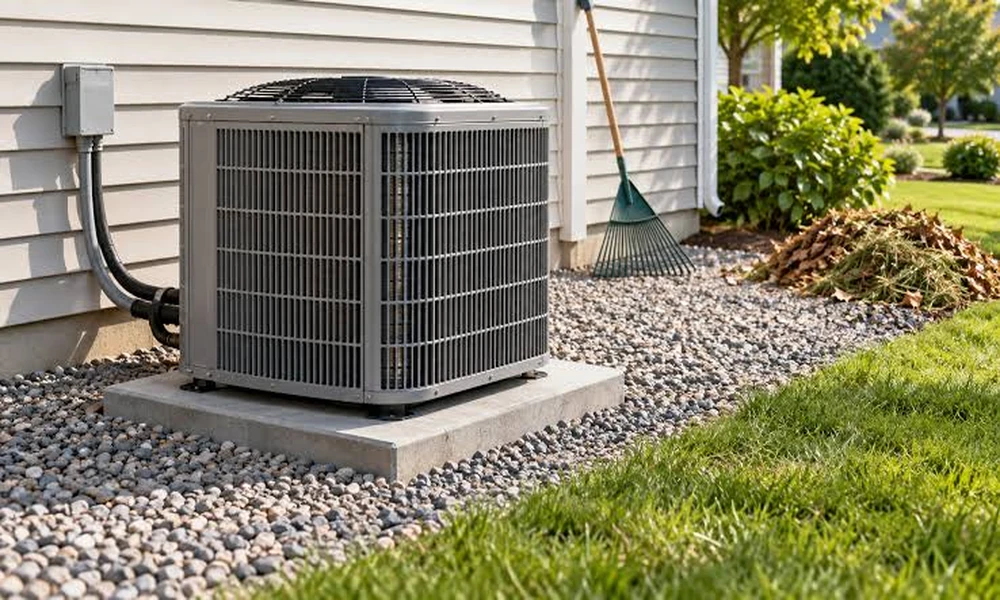
Air conditioners in hot climates are built to lose a little ground on the worst afternoons of the year. That surprises many homeowners, who expect a healthy system to hit the thermostat setting, shut off and rest. In places where summer highs climb past 100 degrees for weeks, a unit that hums from lunch until sunset may be doing exactly what it was designed to do. It may also be quietly failing, and the trick is knowing which story your house is telling.
In San Antonio, that question has been landing on the desk of 1st Choice Heating & Air Conditioning since 1971. The company works on residential and commercial heating and cooling from its shop on Tradesman Drive, keeps emergency service running around the clock, and has Spanish-speaking staff. It also commits to walking homeowners through what a problem is and what a fix would actually change before any work begins. Over five decades of Texas summers, a good share of those calls turn out to be systems running long for perfectly good reasons.
The Math Behind an All-Afternoon Cycle
Every properly sized system starts with a load calculation. Contractors use a method called Manual J, which the Air Conditioning Contractors of America describes as the standard for residential HVAC load calculations and which most building codes require. The calculation picks an outdoor design temperature, a number that local weather exceeds only a small slice of hours each year. In South Texas that figure sits in the upper 90s.
So when the afternoon reaches 104, the equipment is working beyond the conditions it was sized for. Running continuously and holding the house at 76 instead of 74 is not a malfunction. It is the expected result of a system that was correctly sized rather than oversized.
Oversizing creates its own headaches. A unit with too much capacity chills the air fast, satisfies the thermostat in a few minutes, and shuts down before it has wrung much moisture out of the house. Rooms feel cold and clammy at the same time, and the frequent starts wear on the compressor. A slightly undersized feel on the hottest days is the tradeoff for comfort the rest of the season.
Humidity Is the Half of the Job You Never See
Cooling is really two jobs. One is lowering the air temperature. The other is pulling water vapor out, which happens when warm indoor air passes over the cold evaporator coil and condenses into the drain pan. Gulf moisture pushes into Central Texas for much of the year, so a large share of an air conditioner’s effort goes to that second task.
Moisture removal depends on time. The coil has to stay cold long enough for condensation to build and drip away. Long cycles do this well, which is why homes with steady runtimes often feel crisper at 76 than short-cycling homes feel at 72. Indoor humidity that stays roughly between 40 and 50 percent usually means the system is keeping up with its moisture work. A cheap digital hygrometer from a hardware store gives you that reading in a minute.
A Ten-Minute Check From the Hallway
Before worrying about a long cycle, it helps to measure whether the system is actually producing cold air at the rate it should. Technicians call this the temperature split, and homeowners can get a rough version with a kitchen probe thermometer.
- Let the system run for at least fifteen minutes so the coil reaches a steady temperature.
- Hold the thermometer near the return grille where air is pulled into the system and note the reading.
- Move to the supply register closest to the air handler and take a second reading after the number settles.
- Subtract the supply reading from the return reading.
A difference somewhere between about 15 and 20 degrees generally means the refrigerant circuit and airflow are doing their part. A split under 12 is a strong hint that something is off. Very humid air or an unusually hot attic can nudge the number a little, so treat it as a clue rather than a verdict.
When Long Runtime Crosses Into Trouble
Normal long cycles hold a steady indoor temperature and feel consistent from room to room. Trouble tends to show up as a pattern of decline, and a few signs separate the two.
The house keeps losing ground after dark
Afternoon drift of a degree or two is expected. If the indoor temperature is still climbing at 9 p.m., when outdoor air is cooling off and the sun is gone, the system is not keeping up with a load it should handle easily.
Ice where there should only be sweat
A copper suction line coated in frost, or ice on the indoor coil, usually points to low refrigerant or restricted airflow. Running the system frozen makes the problem worse, so switching to fan only and calling for service is the safer move.
The outdoor unit sounds different
A condenser fan that is not spinning while the compressor hums, or a buzzing that never quite starts the motor, often traces back to a failing capacitor. These parts take a beating in Texas heat and are among the most common summer repairs.
The bill jumps without a matching heat wave
Comparing this August’s usage with last August’s usage tells you more than any single afternoon. A sharp rise in kilowatt hours under similar weather suggests the system is working harder to deliver the same cooling.
The Attic Problem in South Texas Homes
Many homes in the region run their ductwork and air handler through the attic, where summer temperatures can top 140 degrees. Every foot of duct in that space is surrounded by heat trying to get in. Thin insulation on the ducts, crushed flex runs, and loose joints leaking cooled air into the attic can rob a healthy system of a meaningful share of its capacity.
This is often the hidden reason one bedroom never cools while the rest of the house is fine. It also explains why a new, larger unit rarely fixes the issue. Sealing joints, adding duct insulation, and improving attic ventilation or insulation tend to give more return than extra tonnage, and they help the existing equipment run shorter cycles on mild days.
Habits That Ease the Afternoon Load
Some of the most effective changes cost little. A clogged filter strangles airflow, and in dusty or pet-heavy homes a monthly swap during peak summer is reasonable. Hosing the outdoor coil gently from the inside out each spring clears the cottonwood fluff and grass that block heat rejection.
Thermostat strategy matters too. Big setbacks while you are at work can backfire in extreme heat, because the system may never recover by evening and will run flat out for hours trying. A modest setback of two or three degrees usually works better. Ceiling fans let you feel comfortable a couple of degrees warmer, and closing blinds on west-facing windows trims the late-day load the system fights hardest.
Reading the Pattern Instead of the Clock
Runtime by itself says very little. A system that runs all afternoon, holds a steady temperature, keeps humidity in check, and posts a healthy temperature split is earning its keep. A system that runs the same hours while the house slowly warms, the coil frosts over, or the bill creeps upward is asking for attention.
The difference often shows up weeks before an outright failure. Watching it closely during the first hot stretch of the season gives you time to schedule a repair on your own terms rather than in the middle of a July heat advisory.
