

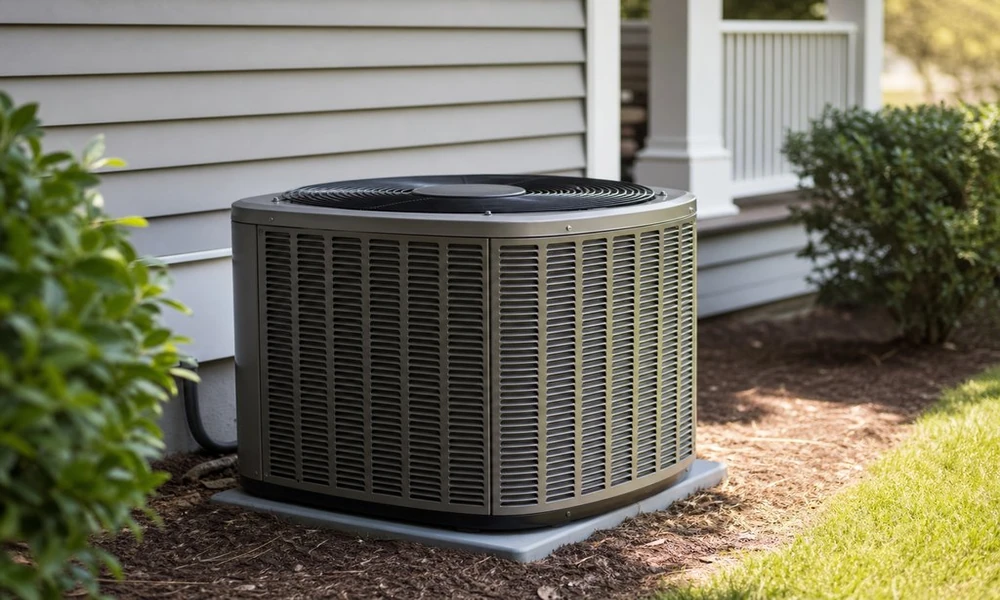
Residential HVAC system
The first cold Gainesville weekend might bring you a few surprises, maybe the furnace kicks on with a faint whiff of dust near the couch, the bedroom register is barely moving a curtain, or the thermostat screen goes black after months of AC. It’s not uncommon for the high humidity days to occasionally turn into true cold nights in our area. The first time the heat goes on is actually a great time to take a look at your system rather than waiting until the house feels cold.
Let’s start with the filter
Remove the filter and hold it up to the light. Is it brown? Linty? Bowed inward? If so, it’s been restricting airflow for some time. Filters placed next to the garage door, near the laundry room or hall return can pick up more than just household dust. Sometimes, you’ll see hair from pets, pine needles blown in from outside, even bits of insulation.
A dirty filter can cause your hallway return to whistle.
Now take a look at the supply vents. Does the vent under the bed have blankets stacked on it? Has a long curtain been draped over the supply vent in the living room? Make sure all your supply registers are open, and listen to the system as it runs. Are there rattles? A loose vent cover? A click-tick noise coming from one room? Take note of these things now. It’s a lot easier to remember these details when you’re sitting on the couch in the winter than it is three months down the road.
Now, let’s test the thermostat
Make sure your thermostat is set to heat, not AC. Turn the temperature up to 68 degrees and wait through the startup cycle. Make sure you can feel warm air in multiple rooms and not just in the room closest to the indoor equipment. A heat pump might behave a little different from a furnace, especially once the air outside gets colder and damper, so give it a chance to get comfortable before changing the temperature again.
Get a closer look at the thermostat. Does the battery icon show low? Is the display faded or did the clock reset itself? These small problems might make a difference come first cold front. If the thermostat display isn’t turning on, look at the breaker panel and the small access panel near your indoor equipment for anything unusual. Repeatedly resetting a breaker could be a sign of a much bigger issue.
What’s happening around the outside unit?
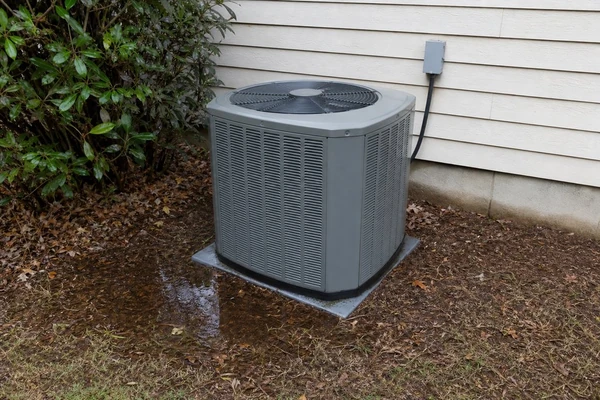
Outdoor HVAC equipment
It might have been sitting near piles of wet leaves, sticks, blown mulch and fast-growing weeds for months now. Use a flashlight to walk around the outside unit if your side yard is shaded. Sticky leaf piles jammed up against the fins keep water from evaporating, and a plant saucer sitting too close or a loose cover left over a vent can cut down on the airflow the system relies on.
Don’t drive a stick, a screwdriver, or the nozzle of a garden hose into those delicate metal fins, they’re easy to bend, and the insulated line feeding the refrigerant line into the blower can be crushed if someone swings a rake a little too enthusiastically. Rake away loose debris, pull back anything leaning against the housing, and remove palm fronds or storm debris from the top vents.
Are those wet leaves concealing a broken drain line or missing line cap?
Don’t overlook the drain pipe
Even if your system is currently operating in heating mode, the residual moisture in Gainesville’s atmosphere can still result in water buildup inside the house. Check for a drip pan, drain pipe, or float switch near your air handler. Look for water damage on walls, wet spots at the entrance of closets, or green slime around the drainpipe opening.
Local contact information is available through the Comfort Temp website for Gainesville-area service.
Comfort Temp HVAC & Plumbing
4301 NW 6th St, Gainesville, FL 32609
A problem with your drainpipe will usually manifest itself in your system not turning on at all, so the thermostat will be calling for heat while the furnace isn’t responding. Make sure there’s a clear path to the furnace for a repairman to get to without moving paint buckets, Christmas decorations, or mops. If water has gotten to the floor or to the ceiling, take a picture of where it is and have it checked out right away rather than waiting for another cold evening.
If you have a gas furnace, test each carbon monoxide alarm by pushing the test button and throw away any that are past their expiration date before you need heat.
Don’t store paint, gasoline or cleaning chemicals in the furnace room, and don’t block the combustion air openings or flue vents.
When is it time to call a pro?
It’s normal for a furnace to smell burnt once when it’s turned on for the first time in a while, as dust builds up on the heating elements. However, if the smell persists, the air coming from the vents isn’t as strong as it was after changing your filter, there’s a loud grinding sound from outside, or your heater keeps turning itself off and on but isn’t actually heating the room, you should contact a professional to come take a look.
It might also be worth having a technician come out after a hard season, especially if your AC ran for months through the thick humidity of summer, as minor wear and tear can cause larger problems when it’s called upon to operate differently with the defrost cycle and backup heat (the IEA covers this at iea.org/energy-system), or thermostat settings.
Take note of the following information: what room wasn’t getting hot, when the breaker tripped, if the unit outside started making noise after rain fell.
Getting ready for the next cold spell
Take a few minutes this weekend to evaluate how your system is performing before the weather turns again. Change your filter, clean the area around the unit outside, set the thermostat, and note any strange sounds or smells. Tape the size of the filter and the scheduled service appointment to the inside of the utility closet door.
