

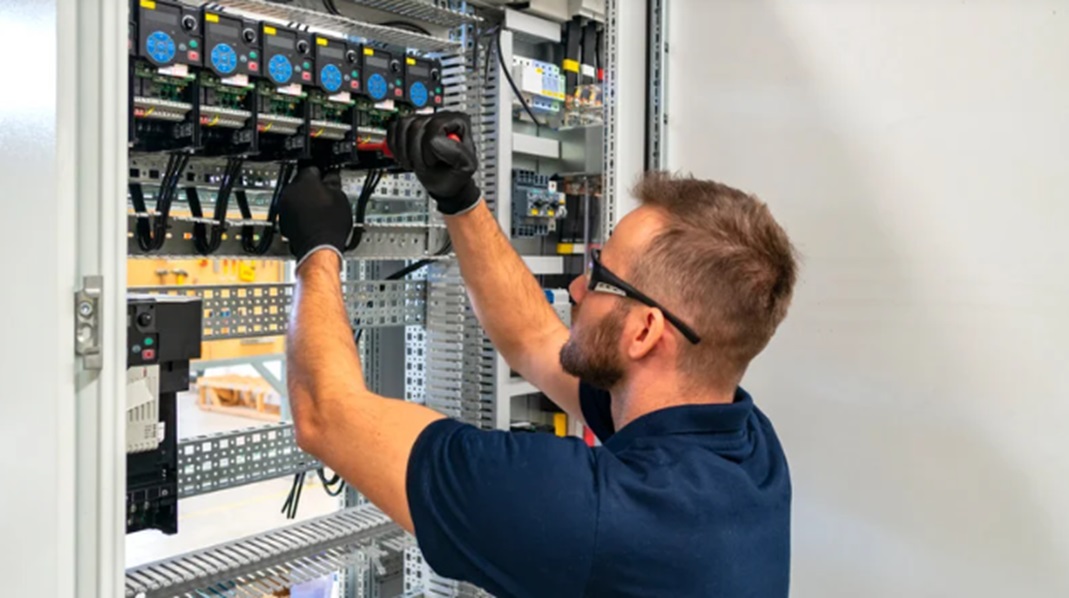
Purchasing a home for the first time is a major milestone, but it also comes with a steep learning curve. Among the many responsibilities that come with homeownership, electrical safety should be at the top of your list. Faulty wiring, overloaded circuits, and outdated components can pose serious risks if not addressed. For those searching for a reliable electrician in Chattanooga, knowing what to check—and what to avoid—can make your new home both safe and functional from day one.
Use the following checklist to spot red flags, plan upgrades, and avoid potential hazards in your home’s electrical system.
1. Inspect the Electrical Panel
Your electrical panel is the nerve center of your home’s power system. It should be clearly labeled, up to date, and free from corrosion or overheating signs.
What to Check:
- Is the panel labeled with circuit descriptions?
- Are there any scorch marks or warm spots on the panel?
- Is the amperage (usually 100–200 amps) sufficient for your home’s size?
If the panel looks outdated or you’re unsure of its condition, schedule an inspection by a licensed electrician.
2. Look for GFCI Outlets in Key Areas
Ground Fault Circuit Interrupter (GFCI) outlets are critical in kitchens, bathrooms, garages, and outdoor areas. These outlets are designed to shut off power if a fault is detected, preventing an electric shock.
What to Check:
- Do wet or moisture-prone areas have GFCI outlets?
- Do the outlets reset properly when tested?
Installing GFCI outlets where needed is a relatively inexpensive upgrade that dramatically improves safety.
3. Test All Outlets and Light Switches
Walk through your home and test every outlet and switch. Flickering lights, warm outlet plates, or non-working sockets can indicate hidden wiring issues.
What to Check:
- Do all switches and outlets function properly?
- Are there any buzzing sounds or burning smells?
- Are extension cords being used for permanent devices?
Any inconsistencies may require rewiring or troubleshooting by a certified professional.
4. Verify Smoke and Carbon Monoxide Detector Placement
Safety devices like smoke and CO detectors are often overlooked, especially in older homes. Check the installation date and replace units that are more than 10 years old.
What to Check:
- Are detectors installed in bedrooms, hallways, and common areas?
- Do they have working batteries and pass the test function?
Hardwired units with battery backups offer the most reliable protection.
5. Avoid DIY Electrical Work
One of the most important rules for new homeowners: don’t attempt electrical work yourself. Mistakes can lead to fires, electrocution, or costly repairs. Whether it’s installing a ceiling fan or upgrading an outlet, always use a professional. Understanding the top reasons to hire a professional electrician for projects in your home can reinforce the value of expert installation and peace of mind.
6. Understand the Types of Electricians
Different electrical tasks require different skill sets. From residential wiring to high-voltage systems, knowing which type of electrician to call can save time and ensure code compliance. If you’re wondering what types of electricians there are, they generally include residential, commercial, industrial, and maintenance electricians, each specializing in different electrical systems and environments.
7. Schedule Preventive Maintenance
Just like your HVAC or plumbing, your electrical system needs regular attention. An annual inspection can catch minor issues before they become major hazards, especially if your home is more than 20 years old.
Conclusion
Electrical safety isn’t something to put off, especially for first-time homeowners unfamiliar with the signs of trouble. A well-maintained electrical system protects your investment and your family. From inspecting panels to avoiding DIY repairs, these safety practices help build a secure foundation. If you’re in need of a trusted electrician, partner with a licensed professional who understands the unique needs of residential systems and prioritizes safety above all.
