

Table of Contents
- Introduction to Building Insulation
- The Science Behind Effective Insulation
- Benefits of Modern Insulation Techniques
- Comparing Insulation Materials
- Sustainability and Environmental Impact
- Cost-Effectiveness of Modern Insulation
- Common Challenges and Solutions
- The Future of Building Insulation
Introduction to Building Insulation
The development of outstanding construction materials approaches efficiency and sustainability objectives with building insulation. It is a centuries-old technology with a simple yet effective approach. From a single-family house to commercial complexes, the value of insulation towards energy saving is unmatched.
Recently, the focus has shifted towards commercial insulation, which offers tailored solutions for business spaces to maximize energy efficiency while minimizing overhead costs. It does so by significantly reducing heat transfer, resulting in greater comfort and energy efficiency for these spaces.
The Science Behind Effective Insulation
The best strategic insulation integrates the four primary methods of heating a building, which are conduction, convection, and radiation. Insulating materials are designed to slow down these processes, which the R-value, or thermal resistance, primarily measures. The higher the value of the material, the slower the heat flow, which guarantees maintenance of preset temperatures, respectively, using energy. The value of any commercial and residential structure is directly correlated to the relative amount of energy consumed. According to the U.S. Department of Energy, improving commercial and home insulation can reduce energy bills significantly while enhancing overall comfort.
More rationale means better results, and constructions are no exception. This allows property owners to select the ideal insulating material based on their specific conditions, ensuring the necessary thermal resistance and optimal performance in relation to the surrounding temperature.
Benefits of Modern Insulation Techniques
The shift incorporates new technologies and encompasses numerous benefits lacking in traditional methods. Firstly, there are significant changes in finances because modern insulation systems help to save a lot of energy by spending less on cooling and heating.
Furthermore, modern techniques help promote better health. Modern insulation plays a vital role in improving the quality of air in buildings by restricting the intrusion of outside allergens and pollutants. From a broader perspective, all buildings that embrace these techniques inherently work toward improving their carbon footprint and, in turn, enhancing their status globally.
Comparing Insulation Materials
One of the most challenging facets of any construction project is personally visiting a local store selling the materials; it can become quite difficult because each material has its individual unique features. Fibreglass and other traditional structures have been praised for their low pricing and ease of installation for quite some time now. However, modern materials like spray foam have emerged as superior alternatives, offering enhanced thermal resistance and durability.
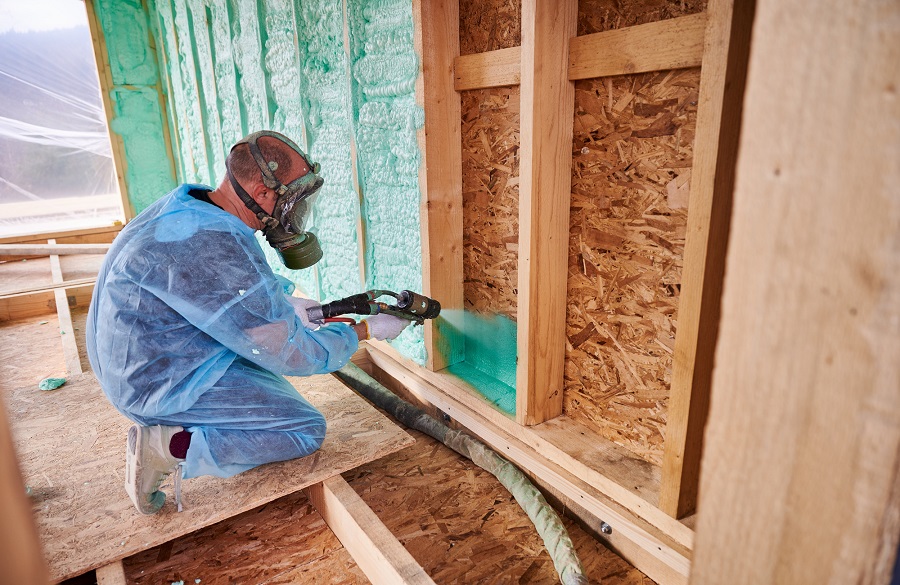
According to industry experts, spray foam insulation has air—and moisture-retentive properties that give it an edge in creating a controlled environment. This approach makes spray foam insulation appealing to new and renovation construction projects focused on maximising the efficiency of insulation.
Sustainability and Environmental Impact
Modern insulation techniques receive a definite boost from sustainability. Many contemporary materials are either made from recycled parts or can be recycled themselves, which helps to lower the carbon footprint. Builders further enable the attainment of tough green building certifications through the use of eco-friendly green insulation options.
Efficient insulation complements the active eco-friendly movement by minimising the strain on heating and cooling systems, which helps reduce greenhouse gas emissions and leads to a more sustainable future.
Cost-Effectiveness of Modern Insulation
The initial expense associated with modern insulation may serve as a dampening factor, but it is wiser to examine this factor in relation to the prospective returns in the future. The enhanced capabilities increase energy efficiency, which drives down energy consumption, boosts the value of the property, lowers utility expenditure, and, in the long term, increases the value of the property.
In addition, subsidised government projects and rebates encourage the attainment of energy-efficient upgrades, which act to offset the initial financial constraints, making the adoption of new insulation more affordable and economically beneficial.
Common Challenges and Solutions
As with any new modern insulation material, it may be subjected to improper installation or a poor choice of material, requiring professional help to ensure desired outcomes are met. Thus, the importance of expert personnel in the undertaking of such projects is underscored. The long-term effectiveness of insulation, coupled with routine maintenance efforts, enables building owners to focus on addressing minor damages in a more timely manner.
The Future of Building Insulation
Technological improvements and ecological concerns clearly show the potential for innovations in building insulation. Looking ahead, possibilities include the development of innovative insulation systems that adapt to environmental conditions and optimise energy use. With buildings being designed to adapt to their environment, ongoing research focuses on developing more efficient and sustainably proactive insulation technologies.
