
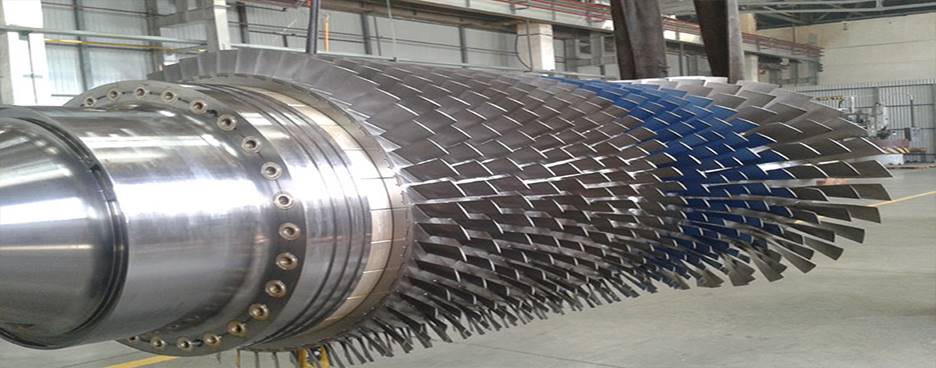
Gas turbines are essential parts of many different businesses. They are necessary for dependable and effective power production.
These cutting-edge devices are essential to many different sectors and applications. Including steel, oil & gas, aerospace, and more. Regular and careful maintenance is crucial to their longevity and effectiveness.
To maintain operational readiness, a variety of tasks are carried out. Such as equipment monitoring and operating mode control. Also, methodically fixing minor flaws to cut down on downtime and the need for major overhauls.
An Overview of Appropriate Maintenance
For gas turbines to operate at their best and last a long time, regular maintenance is essential. By resolving possible problems, gas turbine rotor repair is required.
It aids in preventing unplanned malfunctions and expensive downtime. Maintaining this in good operating order guarantees that it performs at its best.
Energy waste as well as fuel consumption are decreased when they run efficiently. Because they use less fuel over a given power output.
Frequent maintenance increases the equipment’s lifespan and promotes an ideal heat rate. This is a gauge of how well fuel is converted to electricity. Additionally, safety checks aid in lowering the likelihood of accidents.
Which problems are most prevalent?
- Blade Fouling and Erosion: This lowers airflow and efficiency, which affects the overall performance.
- Combustion Problems: Fuel quality problems or incorrect ratios are frequently the cause of problems like incomplete combustion or flame instability.
- Bearing Failures: Because bearings are under a lot of stress, they may fail as a result of insufficient lubrication or high operating loads.
- Thermal Stress as well as Creep in Blades: Extended exposure to extreme temperatures can lead to blade deformation or cracking, which compromises the safety and efficiency.
How to Increase Performance
Inspections, cleaning, grease application, and part replacements. These are just a few of the scheduled and preventative tasks involved in this intricate undertaking.
- Inspections concentrate on vital parts like rotors, combustion chambers, and blades. These are essential for spotting possible problems before they become more serious. Go to https://www.utilitydive.com/news/trouble-in-texas-causes-shutdown-of-advanced-ge-turbine/532901/# to learn more about other issues.
- To maintain ideal airflow along with heat transfer efficiency. Cleaning is equally crucial, eliminating dirt, dust, and debris.
- Lubrication is essential for smooth functioning because it lowers wear and friction.
- Over time, components such as filters, sensors, rings, blades, and seals may need to be replaced. The effective operation and the avoidance of unplanned malfunctions depend on these planned care periods.

Important Elements Affecting Performance
- Air Intake Temperature: Lower power production and effectiveness result from warmer air’s mass flow rate and decreased density.
- Compressor Efficacy: Appropriate pressure ratios and air flow are essential. It’s for performance and is ensured by a well-maintained, properly configured compressor.
- Blade Condition: Effectiveness can be adversely affected by blade corrosion, erosion, or fouling.
- Fuel Quality: Inadequate fuel-to-air ratios or fuel contaminants might reduce combustion yield.
- Control System: For optimal effectiveness, a properly working control system continually modifies several factors. This includes fuel flow as well as power output.
- Care Procedures: To sustain optimal performance, routine cleaning, lubricating, and inspecting are essential.
How Do Gas and Steam Turbines Compare?
These two differ in several ways. Because steam turbines operate at greater temperatures and pressures than gas turbines, they are often more efficient.
Components such as a combustion chamber and a compressor are necessary for gas turbines. Heat exchangers and steam boilers are necessary for steam production. Because they require less room and installation, gas ones are usually more affordable. Steam types often need more room and are more expensive to operate.
How Does Carbon Affect Its Efficiency?
This may be increased with the use of turbine and compressor rings. These rings, which are made of high-quality carbon graphite, are unique in that they can tolerate high temperatures. They have little wear and friction due to their self-lubricating properties. Visit this page for further reading.
These characteristics significantly reduce the likelihood of malfunctions and enable their versatility in many contexts. Carbon graphite compressor rings are useful for a wide range of goods and sectors.
Experts provide special modification services to meet the specific needs of different applications. This makes it possible to precisely customize these rings, guaranteeing that they work at their best in any particular situation. Their method guarantees that every application will gain from a compressor ring, which is ideal for its unique requirements.
Conclusion
For this to operate effectively and sustainably, maintenance as well as optimization are essential. Optimizing efficiency requires routine maintenance that takes care of things. This includes compressor efficiency, air intake temperature, and blade condition.
Efficiency is greatly increased by using advanced materials, such as carbon graphite grades. This is used in parts with compressor rings.
This improvement enables operators to significantly increase the performance and prolong their operating lifespan. Especially when combined with careful maintenance procedures.
These advancements maximize the usefulness and economic worth in a variety of industrial applications. Thus, making them more practical and affordable.



More Stories
Marble Worktops for Kitchens: Pros, Cons, and Costs
Modern Office Partition Systems Built for Canadian Workspaces
Why Hiring a Professional Cleaning Company in Westland Improves the Appearance of Your Property