

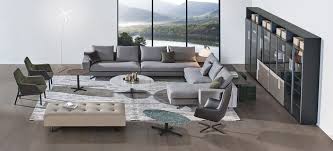




Sectionals are versatile pieces of furniture that can define a living area and provide ample seating. Proper placement ensures that they encourage interaction and maintain the flow of the room.
Understanding Room Layout
Begin by analyzing the dimensions and layout of the living space. Identify focal points such as a fireplace, television, or a central coffee table. The sectional should support social interaction without blocking pathways or creating congestion.
Coleman Furniture reviews often offer insights into how different sectional configurations perform in various room sizes, helping buyers and managers visualize practical layouts.
Choosing the Right Sectional Shape
Sectionals come in L-shaped, U-shaped, and modular configurations. L-shaped sectionals work well in corners or open spaces, promoting conversation between adjacent seating. U-shaped sectionals create an enclosed space that encourages interaction but may require larger rooms. Modular sectionals offer flexibility, allowing adjustments to seating arrangements as needed.
Positioning for Interaction
Arrange the sectional so that seating faces inward toward a central point, such as a coffee table or media console. This orientation fosters conversation and ensures that everyone feels included. Leaving open space on one side can help maintain flow and accessibility.
Balancing with Other Furniture
Complement the sectional with chairs, ottomans, or side tables to provide additional seating and surfaces. Ensure that these pieces do not interrupt pathways or overwhelm the space. Coleman Furniture reviews frequently note successful combinations that enhance both functionality and aesthetics.
Maintaining Traffic Flow
Leave adequate space between the sectional and walls or other furniture to allow comfortable movement. Paths should remain clear to prevent accidents and maintain a sense of openness in the room.
Anchoring the Space
Use area rugs, lighting, or accent furniture to define the sectional area and create a cohesive zone. Rugs help visually anchor seating, while lighting and accessories contribute to comfort and conversation-friendly ambiance.
Considering Focal Points
Position the sectional to balance social interaction with room focal points. Even if a television is present, ensure that the seating arrangement encourages eye contact and conversation among occupants rather than focusing solely on the screen.
Adjusting for Room Shape
Tailor the sectional placement to accommodate room dimensions. In narrow spaces, place the sectional along the longer wall. In wider rooms, consider floating the sectional to create a defined conversation area without isolating other zones.
Testing and Flexibility
Experiment with placement and configuration before finalizing. Modular sectionals allow for easy rearrangement, providing flexibility to adapt as household needs or activities change. Coleman Furniture reviews often highlight how families use these pieces in real living spaces to optimize conversation and flow.
Making the Right Choice
Placing a sectional to encourage conversation involves analyzing room layout, sectional shape, focal points, and traffic flow. Insights from Coleman Furniture reviews provide practical guidance on how sectionals function in real homes. Thoughtful placement and complementary furniture create a space that is both inviting and functional for social interaction.