





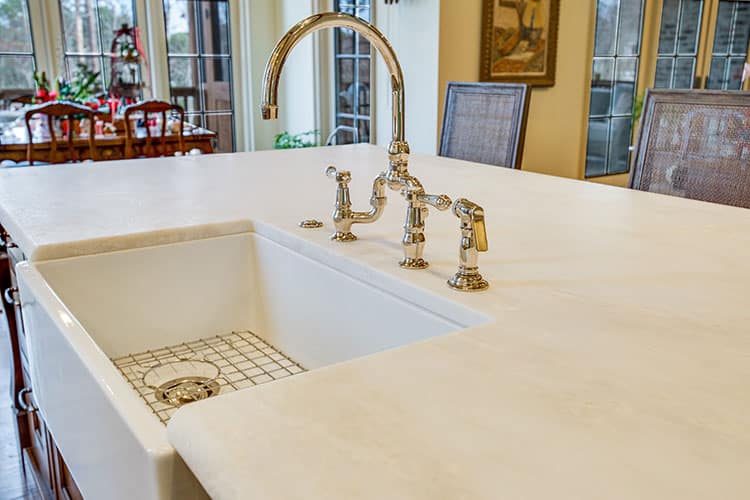
Natural stone surfaces bring timeless elegance to residential spaces, and marble stands out as a particularly luxurious option. These beautiful countertops combine aesthetic appeal with practical functionality, making them a premium choice for modern homes.
This comprehensive guide explores all essential aspects of selecting marble surfaces for cooking areas. Readers will discover the advantages, potential drawbacks, cost considerations, and maintenance requirements. The information draws from industry expertise to deliver accurate, actionable guidance.
Marble has been cherished for centuries in architectural applications. Its enduring popularity continues in contemporary interior design. Homeowners considering this material need to understand both the visual benefits and practical limitations before making an investment.
The article provides expert insights, real-world data, and comparative analysis. This helps readers make informed decisions about their renovation projects. Prospective buyers will gain complete understanding from initial selection through installation and ongoing care.
Key Takeaways
- Marble surfaces offer a blend of natural beauty and functional performance
- Understanding both advantages and limitations is crucial before investment
- This guide covers costs, maintenance, and practical considerations
- Expert insights help with informed decision-making for kitchen projects
- Historical use informs contemporary applications in residential spaces
- Proper care ensures long-term durability and aesthetic appeal
Introduction to Marble Worktops in Kitchens
The distinctive character of marble countertops stems from their geological origins, creating surfaces that are both functional and artistically unique. This metamorphic stone forms through intense heat and pressure, resulting in a material prized for centuries.
Each slab features natural veining patterns that ensure no two installations are identical. This guarantees a one-of-a-kind aesthetic for every cooking space.
Overview of Key Features
Available in thicknesses of 20mm, 30mm, and 40mm, these surfaces suit various design preferences. The material’s structural requirements determine the optimal thickness choice.
Homeowners can select between polished and honed finishes. Polished options provide a shiny, reflective surface while honed finishes offer a matte appearance that better conceals wear.
Historical Significance and Modern Trends
Marble’s historical use in classical architecture informs its contemporary appeal. Modern homeowners appreciate how it blends traditional elegance with current functionality.
The stone comes in colours ranging from classic white and grey to black, green, beige, and pink. These options allow for dramatic statements or subtle complements in kitchen design.
Beyond countertops, this natural material works beautifully for splashbacks, islands, and other culinary area surfaces. Its versatility makes it a popular choice for creating distinctive cooking environments.
Advantages of Marble Worktops in Kitchens
The decision to select a premium surface material often centres on achieving both functionality and lasting visual appeal. Natural stone surfaces offer homeowners distinctive benefits that manufactured alternatives cannot replicate.
Timeless Elegance and Unique Natural Veining
Each slab possesses distinctive veining patterns formed through geological processes. This guarantees that every installation remains completely unique.
The natural beauty of these surfaces transcends temporary design trends. Their timeless beauty ensures they remain fashionable across decades of use.
Homeowners appreciate how the intricate veining creates depth and visual interest. This organic character provides a level of sophistication that elevates entire spaces.
Enhanced Aesthetic Appeal
The rich appearance of natural stone serves as a focal point in any culinary area. It creates an immediate sense of luxury and refinement.
Beyond visual appeal, the material offers practical baking advantages. Its naturally cool surface temperature proves ideal for pastry preparation.
| Aesthetic Feature | Natural Stone | Manufactured Surfaces | Visual Impact |
|---|---|---|---|
| Veining Patterns | Completely unique | Repeated patterns | High distinction |
| Colour Variations | Natural gradients | Uniform colouring | Organic appeal |
| Surface Depth | Multi-dimensional | Flat appearance | Enhanced richness |
This distinctive look adds significant value to properties while creating sophisticated environments. The material’s inherent elegance ensures it remains a premium choice for discerning homeowners.
Drawbacks to Consider With Marble Worktops
Potential buyers should be aware of certain limitations inherent to marble’s natural composition. While this material offers exceptional beauty, its practical characteristics require careful consideration for kitchen environments.
Prone to Scratches and Stains
This natural stone’s relative softness makes it vulnerable to surface damage. Knives and sharp implements can easily create scratches if used directly on the counter.
Acidic substances pose particular risks. Wine, lemon juice, vinegar, and oil can cause permanent stains and etching if spills aren’t addressed promptly. The porous nature allows liquids to penetrate deeply.
Ongoing Maintenance Requirements
Proper sealing is essential for protection. This process creates a barrier that enhances water resistance. Most installations require regular sealing once or twice annually.
Inadequate protection combined with UV exposure may cause discolouration over time. Homeowners must commit to consistent care routines to maintain the material’s appearance.
While these considerations are significant, they can be managed with proper protocols. Realistic expectations about maintenance help preserve the stone’s beauty long-term.
Understanding Costs and Value Proposition
Understanding the cost structure of luxury counter materials helps homeowners make informed purchasing decisions. Financial planning requires careful consideration of both immediate expenses and long-term value.
This analysis examines the investment required for premium surfaces. It covers pricing variables and the enduring benefits they provide.
Price Range Insights
Premium natural stone surfaces typically range from £250 to £1,450 per square metre. Several factors influence where a specific selection falls within this spectrum.
Key determinants include material thickness, colour rarity, and pattern uniqueness. Brand reputation and geographical origin also affect final pricing.
Installation and fabrication charges often represent additional costs. These typically add approximately £250 or more to the total project expense.
| Price Category | Cost per m² | Common Characteristics | Suitable For |
|---|---|---|---|
| Entry Level | £250 – £500 | Standard thickness, common colours | Budget-conscious projects |
| Mid Range | £501 – £900 | Enhanced veining, premium brands | Balance of quality and cost |
| Premium Selection | £901 – £1,450 | Rare colours, unique patterns, thick slabs | Luxury installations |
Long-Term Investment Value
While initial costs are higher than many alternatives, these surfaces offer exceptional longevity. Properly maintained installations can last 20+ years.
The natural material’s elegance enhances property appeal and potential resale value. Homeowners who appreciate aesthetics find the investment justified.
Budget considerations should include both upfront costs and ongoing maintenance. Regular sealing preserves the surface’s beauty and functionality.
“Premium materials represent not just an expense, but an investment in daily living quality and long-term property value.”
Expert Tips for Installing Marble Worktops for Kitchens
Handling heavy stone slabs requires specialised equipment and trained professionals to prevent damage during installation. The process begins with careful preparation of the existing space.
Existing surfaces must be removed from counters or cabinets. Utility connections need disconnection, particularly near sinks and cooking areas. This ensures safety throughout the installation process.
New cabinet structures require installation and precise levelling before stone placement. Proper support is essential for the substantial weight of natural materials. This foundational work prevents future issues.
| Installation Aspect | Professional Approach | DIY Attempt | Risk Level |
|---|---|---|---|
| Slab Transportation | Specialised equipment | Manual handling | High risk of damage |
| Utility Disconnection | Certified technicians | Homeowner responsibility | Safety concerns |
| Levelling Precision | Laser measurement tools | Basic spirit levels | Potential instability |
| Final Positioning | Team coordination | Individual effort | Alignment challenges |
Transportation demands extreme caution due to the material’s weight and fragility. Each slab undergoes thorough inspection before placement. Professionals check for cleanliness and any defects.
The final positioning involves careful manual alignment with cabinets and countertops. Experienced installers ensure perfect fitment. They also handle splashback and upstand installation as part of the comprehensive service.
Hiring qualified fabricators with natural stone experience avoids costly mistakes. Their expertise guarantees proper installation from start to finish. This investment protects your premium surface investment.
Aesthetic Appeal and Design Options for Kitchen Spaces
The visual impact of natural stone surfaces transforms ordinary cooking areas into sophisticated design statements. Homeowners can achieve remarkable results by understanding the available customisation choices.
This section explores how colour selection and finish options create distinctive aesthetics. The right combinations elevate the entire kitchen environment.
Selecting Complementary Colours and Finishes
An extensive palette includes white, black, green, grey, beige, and pink varieties. Each shade offers unique possibilities for design schemes.
Veining patterns range from dramatic bold strokes to subtle delicate swirls. These natural markings significantly influence the overall look of the space.
Polished finish options provide shiny, reflective surfaces that enhance colour depth. However, they show imperfections more readily than matte alternatives.
Honed finish selections offer practical benefits for high-traffic areas. Their matte appearance conceals daily wear while maintaining elegant aesthetics.
Customisation Possibilities for Unique Styles
These surfaces pair beautifully with various cabinetry styles. Traditional wood finishes and contemporary minimalist designs both complement natural stone effectively.
Customisation extends to edge profiles, thickness selections, and integrated features. Drainer grooves and other practical elements enhance functionality.
Statement pieces like islands or waterfall edges create dramatic visual impact. They become focal points within the kitchen space.
Selecting complementary colours requires considering existing elements. Flooring, walls, and cabinetry should harmonise with the stone’s natural colours.
Comparing Marble, Quartz, and Alternative Worktop Materials
When selecting surfaces for culinary spaces, homeowners face a material comparison that balances aesthetics against practicality. This evaluation helps identify the best fit for individual needs and lifestyles.
Strengths and Weaknesses of Each Material
Engineered quartz combines natural minerals with synthetic resins to create durable surfaces. This manufacturing process produces a marble-effect material that mimics natural beauty while offering enhanced performance.
Quartz worktops provide superior durability compared to many natural options. Their non-porous nature resists stains and scratches without requiring regular sealing. This makes them virtually maintenance-free for busy households.
Natural marble offers authentic beauty with unique veining patterns that cannot be perfectly replicated. Despite requiring careful maintenance, its timeless appeal remains unmatched for design purists.
| Material | Durability | Maintenance | Aesthetic Appeal |
|---|---|---|---|
| Marble | Moderate (soft stone) | High (regular sealing) | Authentic natural beauty |
| Quartz | High (scratch-resistant) | Low (non-porous) | Consistent marble effect |
| Granite | Very high | Moderate (occasional sealing) | Speckled natural patterns |
| Ceramic | Excellent | Minimal | Modern uniform appearance |
Quartz typically offers better value for high-traffic environments where durability priorities outweigh authenticity concerns. Meanwhile, granite provides greater resilience than marble while maintaining natural stone characteristics.
Ceramic worktops present another alternative with exceptional heat resistance and minimal upkeep requirements. Each material suits different preferences, making personal assessment crucial for selection.
Installation Process: From Planning to Completion
The journey from selecting marble slabs to enjoying a finished kitchen surface involves several critical phases. Each step requires careful attention to detail for optimal results.
Pre-Installation Considerations
Accurate measurement forms the foundation of successful installations. Professionals create detailed templates to ensure perfect fitment with minimal material waste.
Cabinet structural integrity must be verified before proceeding. This natural stone’s weight demands robust support systems. Proper assessment prevents future issues.
Marble excels in specific applications where its beauty shines without excessive wear. Shelves, window sills, and vanity tops showcase its elegance effectively.
Professional Installation Advice
The fabrication stage involves cutting slabs to precise specifications. Edge profiling occurs according to design requirements. Skilled craftsmen handle this delicate process.
Installation typically progresses from main sections to splashbacks and upstands. This sequence ensures cohesive finishing throughout the space.
| Installation Phase | Key Activities | Time Required | Professional Importance |
|---|---|---|---|
| Pre-Installation | Measurement, templating, cabinet checks | 1-2 days | Critical for accuracy |
| Fabrication | Cutting, shaping, edge profiling | 3-5 days | Requires specialist equipment |
| Final Installation | Placement, sealing, finishing touches | 1 day | Demands experienced installers |
Adhesives and sealants need proper curing time before use. Rushing this stage compromises long-term performance. Patience ensures durability.
Post-installation inspection verifies fit, finish, and sealing quality. Professionals check every detail before final acceptance. This guarantees satisfaction with your new work surface.
“Proper installation transforms beautiful materials into functional works of art that stand the test of time.”
Maintenance and Sealing: Keeping Your Countertop Pristine
Consistent care routines form the foundation of preserving the pristine condition of luxury natural stone installations. Proper maintenance ensures these beautiful surfaces withstand daily use while maintaining their elegant appearance.
The porous nature of natural stone demands specific protective measures. Regular maintenance prevents damage and extends the lifespan of your investment.
Effective Sealing Techniques
Regular sealing is essential for marble maintenance, typically required once or twice annually. Usage intensity and the specific marble variety determine the exact frequency needed.
The sealing process involves applying a penetrating sealer that fills the porous structure. This creates a protective barrier against moisture and stains. Professional application ensures complete coverage.
Proper cleaning protocols use pH-neutral soap and water. Mild household cleaners formulated for natural stone are also suitable. Avoid acidic or abrasive cleaners that can etch the delicate surface.
Immediate attention to spills prevents permanent staining. Wine, citrus, coffee, and oil require prompt cleaning. For stubborn marks, baking soda poultices or specialised marble removers prove effective.
Establishing a comprehensive maintenance schedule guarantees optimal protection. This includes daily cleaning, immediate spill response, and annual or bi-annual sealing treatments.
Durability and Longevity in Daily Kitchen Use
The true test of any kitchen surface material lies in its ability to withstand years of active use. Premium natural stone offers impressive longevity when homeowners understand its characteristics and implement proper care routines.
With consistent maintenance and careful handling, these surfaces can serve beautifully for more than two decades. Regular sealing and prompt attention to damage preserve both function and appearance over time.
Managing Wear, Tear, and Heat Exposure
Natural stone possesses inherent heat resistance but remains vulnerable to extreme temperatures. While it handles typical cooking warmth well, sudden thermal shock from very hot pans can cause cracks.
Protective trivets or heat pads should always separate cookware from the surface. Direct contact compromises sealants and may lead to permanent discolouration.
Daily wear and tear management involves simple preventative measures. Using cutting boards prevents scratches, while avoiding dragging heavy objects maintains surface integrity.
Many homeowners appreciate the distinctive patina that develops over years of use. This natural ageing process adds character, creating a surface that tells the story of family life.
Professional restoration services can address significant wear when needed. Experts can refinish, re-polish, and repair surfaces to restore their original beauty.
Realistic expectations about performance help homeowners enjoy their investment fully. While requiring more care than engineered alternatives, natural stone offers unmatched elegance that matures gracefully.
Real-Life Experiences and Case Studies
Real-world experiences from property owners reveal the daily joys and challenges of marble countertops. These personal accounts provide balanced perspectives beyond technical specifications.
Many homeowners express initial concerns about durability that gradually ease with proper care. One customer noted how regular sealing became a simple routine rather than a burden.
Customer Review by Chiltern Marble
A client from Chiltern Marble shared their satisfaction with a Carrara marble installation. They described the surface as transforming their entire cooking space with its natural elegance.
The homeowner acknowledged a learning curve regarding maintenance requirements. However, they found the aesthetic contribution outweighed the extra care needed.
Common themes emerge from various case studies. Contemporary minimalist designs often feature white marble with subtle veining. Traditional country kitchens might incorporate darker, more dramatic patterns.
Several property owners wish they had known more about heat protection beforehand. Using trivets consistently prevents potential thermal damage to the beautiful surface.
Success stories highlight how realistic expectations lead to long-term satisfaction. When homeowners understand both the benefits and responsibilities, their choice proves rewarding for decades.
Expert Recommendations from Industry Leaders
Industry expertise provides crucial guidance for homeowners considering premium natural stone surfaces. Professionals with decades of experience offer invaluable insights that help property owners make informed decisions.
Their knowledge spans material selection, installation techniques, and long-term maintenance strategies. This guidance proves particularly valuable for luxury surface investments.
Insights from Chiltern Marble Ltd
Drawing on over twenty years of specialised experience, Chiltern Marble Ltd emphasises the importance of realistic expectations. They recommend careful assessment of whether this material suits individual lifestyles before commitment.
Their experts highlight that proper sealing remains essential for preservation. They specifically advocate dry treatment methods that significantly reduce discolouration risks.
Professional guidance includes selecting appropriate stone varieties based on usage patterns. Different households require different approaches to maintenance and protection.
| Household Type | Recommended Marble Type | Maintenance Level | Suitability Score |
|---|---|---|---|
| Busy Family Kitchen | Darker, honed finishes | High (frequent sealing) | Medium |
| Light Use/Formal Space | Lighter, polished varieties | Moderate (annual sealing) | High |
| Baking Enthusiasts | All types (cool surface benefit) | High (acid protection) | Medium-High |
Industry leaders suggest combining materials for optimal practicality. Using different surfaces for various zones creates both beauty and functionality.
Emerging trends include innovative sealing products and installation methods. These developments make natural stone more accessible to modern homeowners.
The right choice depends on cooking frequency, household size, and maintenance willingness. Professional consultation ensures the selection matches lifestyle needs perfectly.
Pricing Comparison and Supplier Options
Budget considerations play a crucial role when selecting natural stone surfaces for residential spaces. The investment range spans from accessible options to premium selections, allowing homeowners to find suitable solutions.
Budget-Friendly Options
Carrara represents an excellent choice for cost-conscious projects. This classic white stone features subtle grey-blue veining. It typically occupies the lower end of the price spectrum.
Crema Marfil offers warm beige tones with light veining patterns. This option suits traditional design schemes beautifully. Both selections provide elegant aesthetics at manageable price points.
Premium Selections for Discerning Buyers
Calacatta stands as one of the most prized varieties available. Its white background showcases bold grey veins often accented with gold highlights. This premium option commands higher prices.
Statuario features distinctive grey veining against a translucent white base. Emperador provides rich brown tones with white accents. These premium colours create dramatic visual statements.
| Marble Type | Price Range per m² | Primary Characteristics | Best Suited For |
|---|---|---|---|
| Carrara | £250 – £500 | Classic white with grey-blue veining | Budget-conscious installations |
| Crema Marfil | £300 – £600 | Warm beige with light veining | Traditional kitchen designs |
| Statuario | £600 – £950 | White with dramatic grey veining | Contemporary spaces |
| Calacatta | £900 – £1,450 | White with bold grey and gold veins | Luxury statement pieces |
| Emperador | £500 – £800 | Rich brown with white veining | Alternative to white options |
Evaluating suppliers involves assessing material quality and fabrication expertise. Property owners should consider installation service quality alongside pricing. This comprehensive approach ensures satisfactory results.
Final Considerations for Prospective Buyers
Before committing to any premium kitchen surface, homeowners should conduct thorough self-assessment of their needs. This evaluation ensures the chosen material aligns with both immediate desires and long-term practicalities.
Long-Term Investment and Functionality
Natural stone represents a significant commitment extending beyond initial installation. Property owners must consider their cooking habits and household size.
Regular maintenance requirements demand consistent attention. Those willing to perform proper upkeep will enjoy decades of elegant service.
Enhancing Overall Kitchen Aesthetics
The visual impact of premium surfaces transforms ordinary spaces into sophisticated environments. These materials serve as focal points that elevate the entire room’s design.
Many homeowners find the unique appearance and tactile quality unmatched by alternatives. The material’s natural beauty creates lasting appeal.
| Homeowner Profile | Maintenance Commitment | Aesthetic Priority | Material Suitability |
|---|---|---|---|
| Busy family household | Moderate to high | Secondary to practicality | Medium suitability |
| Design-focused owner | High (willing) | Primary consideration | Excellent choice |
| Minimal maintenance preference | Low | Balanced approach | Alternative materials recommended |
Quality installations enhance property value significantly. This is particularly true in premium housing markets where discerning buyers appreciate elegant surfaces.
Conclusion
Ultimately, the selection of premium natural stone surfaces represents a balance between aesthetic aspiration and practical reality. These materials offer timeless beauty and unique natural veining that manufactured alternatives cannot replicate.
The elegant appearance and cool baking surface provide distinct advantages. However, susceptibility to scratches and stains requires regular maintenance and sealing protocols.
With prices ranging from £250 to £1,450 per square metre, this investment suits homeowners who value natural beauty over low-maintenance convenience. Successful ownership demands realistic expectations and proper care.
While not the most practical choice for every application, these surfaces remain prestigious in kitchen design. Their unique character makes them ideal for discerning homeowners willing to invest in proper maintenance.
FAQ
How durable is a marble countertop for daily kitchen use?
While offering timeless beauty, this natural stone is a softer material. It can be susceptible to scratches and etching from acids. However, with proper care and regular sealing, it can withstand daily use beautifully, developing a unique patina over time.
What is the required maintenance for a marble work surface?
Maintenance involves promptly wiping up spills, especially those containing acids like lemon juice or vinegar. Homeowners should use coasters and chopping boards to protect the surface. Sealing the countertop periodically is crucial to help resist stains and maintain its appearance.
How does marble compare to quartz for a kitchen worktop?
Quartz is an engineered stone known for its high resistance to scratches, stains, and wear. It requires no sealing. Marble, being a natural material, offers unique veining and a classic look but needs more maintenance. The choice often comes down to prioritising low upkeep versus unique aesthetics.
Can marble worktops handle heat from hot pans?
Yes, this natural stone has excellent heat resistance. It is generally safe to place hot pots and pans directly on the surface without causing damage, unlike some synthetic materials. However, using trivets is still recommended as a best practice to protect the finish.
What design styles do marble countertops best complement?
Their elegance suits a wide range of styles, from traditional to contemporary. White marble with subtle veining pairs wonderfully with both light and dark cabinetry, creating a bright, airy feel. Bolder veining can serve as a stunning focal point in the kitchen’s design.
What is the typical price range for marble kitchen worktops?
The cost varies significantly based on the stone’s rarity, thickness, and origin. While generally considered a premium option, there is a spectrum of prices. Some types are more budget-friendly, while rare marbles with distinctive colour and veining command a higher price.