






Property owners search for strength and appealing design. Synthetic Roofing attracts attention across residential and commercial markets. So, builders review performance before selecting final options. The category blends technology with practical function. Stratus Roofing observes this shift across evolving neighborhoods. Careful material study supports durable structures and long service life. However informed evaluation prevents costly mistakes later. Weather patterns grow less predictable each year. Strong roofing solutions help protect valuable investments. Now many planners compare traditional products with engineered alternatives. Market demand continues rising with steady momentum.
Material Composition and Design Appeal
Engineered polymers form the base of synthetic roofing panels. Manufacturers shape surfaces to resemble slate or cedar. Structures gain classic charm without harvesting natural resources. Color stability remains impressive under prolonged sunlight exposure. The finish resists cracking through seasonal temperature changes. Sometimes buyers appreciate lighter weight during renovation projects. Installation crews handle panels with reduced structural strain. The material supports diverse architectural expressions with refined texture detail. Stratus Roofing reviews product specifications before recommending any installation. Design freedom encourages creative rooflines across modern developments.
Performance Strengths in Harsh Conditions
Durability often drives interest toward synthetic materials now. Panels withstand wind pressure with reliable structural integrity. Moreover, impact resistance protects surfaces from hail events. Water shedding improves with molded channel patterns. So interior spaces remain safer during heavy rainfall. Fire resistance ratings also meet strict safety expectations. The material performs consistently across varied climate zones. Sometimes reduced maintenance appeals to busy property managers. Cleaning requires simple tools and periodic attention. Stratus Roofing measures these strengths during project planning stages. However long-term monitoring still guides responsible ownership.
Installation Process and Ongoing Care
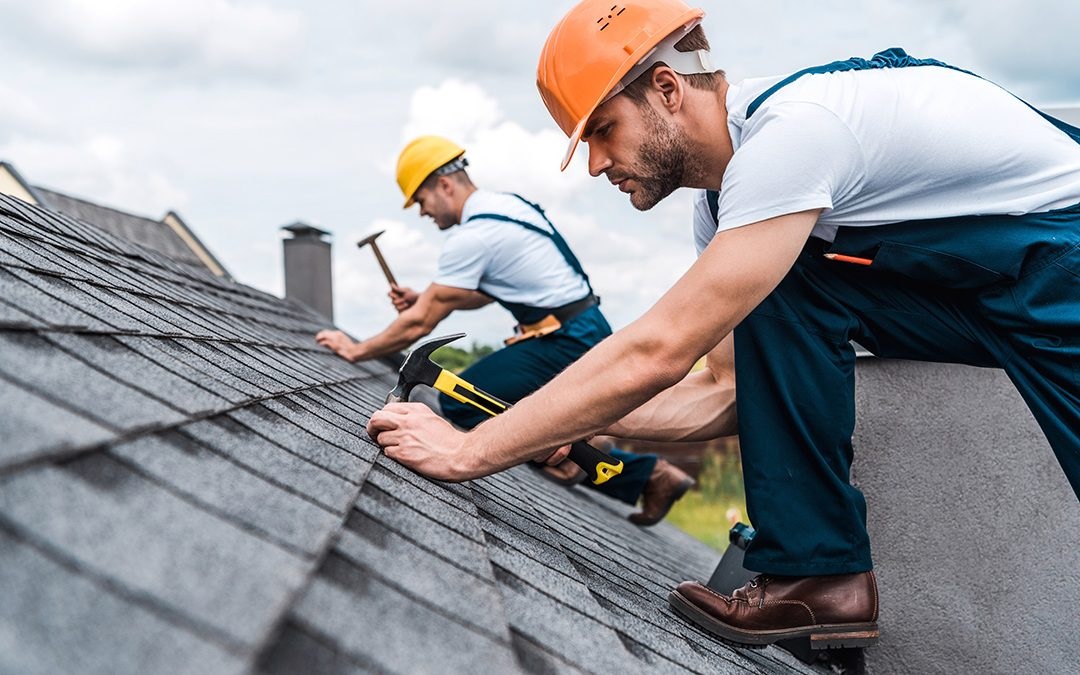
Professional installation ensures optimal roof performance over time. Skilled teams align panels with precise spacing. Therefore, fastening systems hold firmly against uplift forces. Preparation includes inspection of decking surfaces for stability. Sometimes underlayment upgrades enhance moisture protection. Routine inspections preserve visual appeal and structural health. Debris removal prevents drainage obstruction after storms. The material resists mold growth under normal conditions.
Challenges and Practical Limitations
Every roofing solution presents certain constraints. Heat absorption may rise during intense summer periods. Reflective coatings help moderate surface temperature levels. But aesthetic preferences differ among architectural traditions. Some communities favor authentic stone textures exclusively. The learning curve for installers also deserves attention. Training programs improve craftsmanship across expanding contractor networks. Now research continues toward enhanced formulations and broader color palettes.
Conclusion
Synthetic roofing represents a thoughtful fusion of innovation and practicality. Growing adoption signals trust within construction circles. However deliberate research remains essential before commitment. Property owners benefit from expert guidance and detailed assessment. So, collaboration encourages resilient and visually pleasing outcomes. Industry progress suggests continued refinement in coming years. Strong roofs safeguard comfort and long-term value. Strategic planning transforms material choice into lasting protection.