

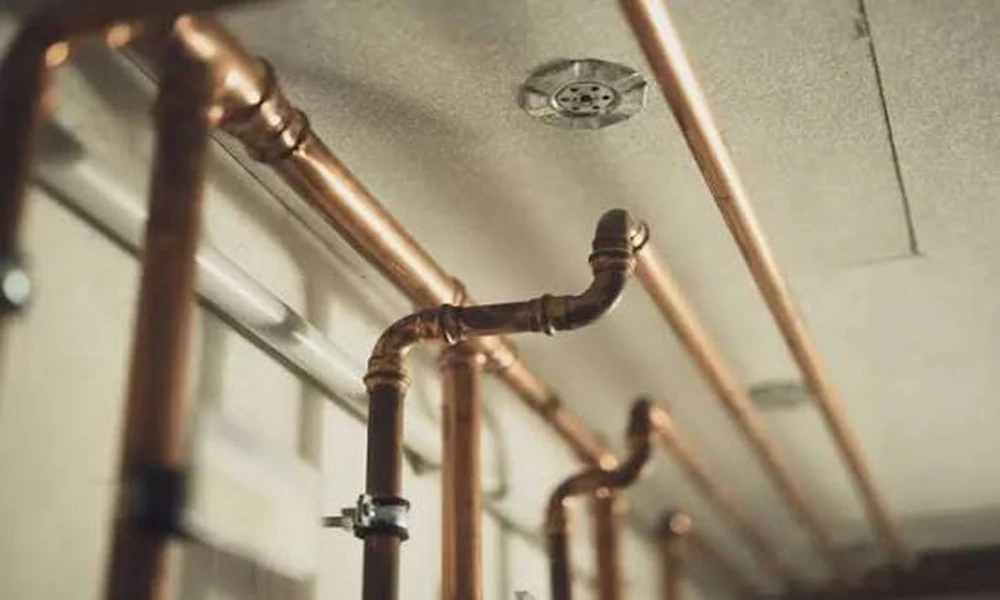
Plumbing in a house built back when streetcars still climbed Tacoma’s hills almost never fails in one dramatic moment. It wears down in small steps that anyone living there can notice. A faint hiss behind the laundry wall, a brownish tint in the first glass of the morning, a faucet handle that suddenly needs a firm grip. Each of these is a report from somewhere inside the walls.
Crews who spend their days inside these homes, Anthony The Plumber among them, keep running into the same handful of worn parts across South Sound neighborhoods. Their job notes read like a catalog of slow decline, with metal sink traps rusted clean through, laundry shutoffs that quietly gave up, corroded toilet flanges, and old galvanized supply pipe pulled out and replaced with PEX running down into the crawlspace. The repairs differ from house to house. The early warnings rarely do.
That is the useful part. Most plumbing trouble announces itself well before a ceiling stains or a floor softens, and you can catch it with nothing more than your senses and a little patience. Here is how those signals tend to show up, roughly in the order a homeowner would notice them.
When the Walls Talk and Nobody Is Running Water
Sound is usually the first clue, mostly because it travels. A toilet that hisses or refills on its own every so often has a flapper or fill valve that no longer seals, and it can waste a surprising amount of water without ever overflowing.
A sharp bang when the washing machine finishes filling is water hammer. Appliance valves snap shut fast, and the moving water slams to a stop inside the pipe. Over time that shock loosens straps and stresses joints, which is why small arrestors get added near the washer connection.
Listen to the water heater too. Popping or rumbling from a tank usually means sediment has settled on the bottom, and the burner is boiling pockets of water trapped underneath it. The tank is working harder than it should, and that crust also shortens its life.
Then there is the sound nobody wants. If every fixture is off and you still hear a faint trickle near a wall or under the floor, treat it seriously. Water does not move on its own without a reason.
Color, Crust and Clues Sitting in Plain Sight
Your eyes pick up what your ears miss. Rusty or yellowish water at the first draw, which clears after a few seconds, points to corrosion inside steel pipe. Galvanized lines rust from the inside out, and the buildup slowly narrows the bore until the shower that once felt strong turns weak.
Pressure is worth reading carefully. Low flow at a single faucet often comes down to a clogged aerator, sometimes packed with the same rust flakes. Low flow across the whole house suggests something bigger, like a narrowed main line or a pressure problem further upstream.
A flashlight and ten minutes under the sinks will tell you a lot. While you are down there, look for
- green or white crust around copper fittings and valve stems
- a metal trap with orange staining or flaking at the bottom curve
- swelling or dark rings on the cabinet floor
- braided supply lines with kinks or rust where they meet the valve
Do the same around the water heater. Rust at the base of a tank, or a discharge pipe from the relief valve that drips, needs attention soon rather than someday.
What Your Hands Know Before the Water Bill Does
Touch gets overlooked, yet it catches some of the most expensive problems early. Try the shutoff valves under each sink and toilet a couple of times a year. Older multi turn valves stiffen with mineral buildup, and many freeze in place right when you need them most. Quarter turn valves are the common modern replacement for that reason.
A toilet that rocks even slightly deserves a closer look. The movement breaks the wax seal, and a corroded flange underneath can let water seep into the subfloor for months before anything shows. A soft spot near the base of the toilet is a later stage of the same story.
In the shower, notice whether the temperature jumps when someone flushes elsewhere in the house. Older valves cannot balance pressure, so a flush steals cold water and leaves the shower suddenly hot. Pressure balancing valves fix this and add a real measure of scald protection, especially for kids and older family members.
The Drain Side Has a Smell of Its Own
Sewer gas in a spare bathroom is often less alarming than it seems. Every drain has a trap that holds a small plug of water, and in a sink or shower nobody uses, that water evaporates and lets odor through. Running the tap briefly solves it.
A persistent sewer smell near a fixture that gets daily use is different, and may point to a failed seal or a venting problem. A rotten egg odor that appears only in hot water often traces back to a reaction involving the tank’s anode rod. A musty smell drifting up from a damp crawlspace, common enough in the wet Puget Sound climate, can mean a slow leak under the floor that has been feeding moisture for a long time.
Putting a Number on a Hunch
Once your senses raise a question, you can test it. Shut off every fixture, note the reading or the small leak indicator on your water meter, and check again after an hour or two without using any water. Movement means water is going somewhere. For toilets, a few drops of food coloring in the tank that show up in the bowl without flushing confirm a leaky flapper.
It also helps to know which pipes you own. The line running from the meter to the house is generally the homeowner’s responsibility. Washington health officials also note that lead in tap water usually comes from household plumbing rather than the water source, and that soft water raises the risk, so old brass fittings and decades old galvanized pipe inside your own walls deserve as much attention as the line at the street.
Small Fix or Bigger Plan
One rusted trap or a single seized valve is a simple part swap. A pattern is something else. If you keep finding pinhole leaks, rusty water at several fixtures, and weak pressure throughout the house, patching each spot tends to cost more over time than replacing the supply piping in one planned project. Water heaters follow similar logic. A tank past ten years with rust or rumbling is often better replaced on your schedule than after it fails on a cold morning, and switching to a tankless unit can mean resizing the gas line and adding new venting, so it pays to plan that conversation early.
None of this requires a homeowner to become a plumber. It only asks you to pay attention to the house you already live in, and to take the small signals seriously while they are still small and cheap to fix.
