

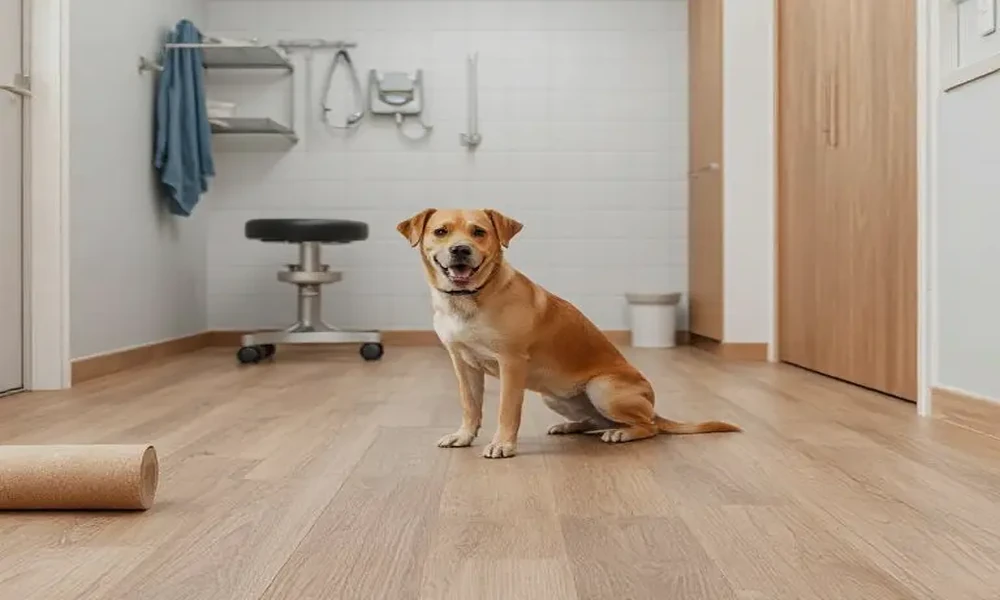
Imagine bringing home a new puppy or kitten and not having to worry about your floors taking a beating. For pet owners, that sounds like a dream, yet too often, flooring fails the furry friend test. The reality? Not all “pet-friendly” floors live up to the hype, and some common beliefs about what works best could leave you with stained, scratched, or warped surfaces. Here’s the unvarnished truth about what really makes flooring last in a busy, pet-filled home.
Myth 1: Are All Hardwood Floors Equally Pet-Friendly?
Walk into any showroom and you’ll hear promises that hardwood is timeless and tough. But pet owners quickly learn that not all wood is created equal.
Why Is Solid Hardwood Vulnerable to Scratches and Moisture?
Traditional solid hardwood may look stunning on move-in day, but it is surprisingly soft. Even dogs with trimmed nails can leave visible scratches during a single round of fetch indoors. Worse, one accident or spilled water bowl can seep into the cracks and cause swelling, stains, or warped boards. Restoring the finish isn’t cheap, and the stress of constant vigilance can turn that “forever floor” into a regret.
How Does Engineered Hardwood Offer a More Practical Alternative?
Engineered hardwood steps in as a smarter option. Its sturdy layered core resists warping and handles minor moisture better than solid planks. Many brands now offer scratch-resistant finishes, making the surface tougher against claws. While you still need to wipe up puddles quickly, engineered wood can give you the warmth of real timber with less worry.
Myth 2: Is Carpet Really a Cozy Choice for Pets?
Soft, warm, and inviting, carpet seems like the perfect match for pets. But dig a little deeper, and its downsides become clear.
What Hidden Challenges Do Odors, Stains, and Allergens Pose?
Accidents happen, and carpet loves to hold onto those memories. Stains settle into the fibers, while odors linger despite deep cleaning. Plus, fur and dust mites collect in even the most frequently vacuumed rooms, aggravating allergies and making true cleanliness nearly impossible.
When and How Can Small Washable Rugs Work?
If you crave comfort, opt for area rugs made from washable, stain-resistant materials. These can be tossed in the laundry and switched out as needed. Reserve full-room carpet only for pet-free zones or use it sparingly with robust underpads to help manage moisture.
Myth 3: Does Waterproof Flooring Mean Low Quality or No Style?
For years, pet owners had to choose between ugly vinyl tiles and attractive but fragile options. That is no longer the case.
How Does Luxury Vinyl Plank Blend Durability and Aesthetics?
Luxury vinyl plank (LVP) has become the hero of pet homes. With tough, scratch-resistant coatings and a 100 percent waterproof core, LVP shrugs off spills, accidents, and zoomies. The best lines mimic natural wood or stone so convincingly that only close inspection reveals the difference.
What Makes SPC and WPC Flooring Tough Without Compromise?
SPC (stone plastic composite) and WPC (wood plastic composite) flooring raise the bar even further. SPC feels dense and sturdy underfoot, resisting dents from heavy dogs. WPC adds a little give for extra comfort and noise reduction. Both are fully waterproof and ready for anything your pets throw at them.
Myth 4: Does Scratch Resistance Alone Guarantee Flooring Longevity?
Some believe that if flooring resists scratches, it will last forever. The truth is, scratch resistance is just the beginning.
Why Are Waterproofing and Easy Maintenance Equally Important?
Floors must also fend off moisture and make cleanup a breeze. Fully waterproof options prevent damage from muddy paws or accidents. Surfaces that need only a quick pass with a mop or vacuum remove stress from your daily routine.
How Do Matte and Textured Finishes Help Hide Wear and Tear?
Glossy floors reveal every scrape and paw print. Matte and gently textured finishes, on the other hand, disguise the inevitable marks of life with pets. Distressed patterns or wood-grain embossing can even improve over time as new scuffs blend in.
Myth 5: Must Pet-Friendly Flooring Be Uncomfortable or Cold?
Cold tile or hard surfaces might sound unforgiving, but comfort doesn’t have to be sacrificed for durability.
How Do Tile, Vinyl, and Wood Compare for Comfort?
Tile is cool and hard, better for warm climates or with radiant heat. Vinyl planks and WPC/engineered woods are softer and warmer, making them friendlier to older pets or those with joint issues.
Can Rugs and Mats Boost Pet Comfort Without Sacrificing Durability?
Strategic use of washable area rugs or pet mats in lounging spots delivers extra comfort, and protects key traffic zones, without forfeiting the benefits of your hard-wearing floor.
Myth 6: Do Dark Floors Hide Pet Hair Best?
It sounds logical, but dark floors can actually highlight every speck of pale fur and dust.
Why Are Mid-Tone Colors More Forgiving with Fur and Dirt?
Colors like greys, taupes, or medium woods strike the best balance, disguising pet hair and footprints between cleanings. These shades work with almost every interior style, offering a practical and stylish solution.
How Can You Match Floor Colors with Your Pet’s Coat for Less Visible Shedding?
If your pets shed, coordinate your flooring with their fur. Lighter floors hide golden retriever tufts, while darker browns disguise black cat hair. Avoid high-contrast combinations for easiest maintenance.
Myth 7: Do All Pets Impact Flooring the Same Way?
Every animal has its quirks, which affects your ideal flooring choice.
How Can You Tailor Flooring Choices to Different Pet Behaviors and Sizes?
Large dogs need dent and scratch resistance, making SPC and LVP great picks. Cats, who love to leap and chase, benefit from floors that grab less fur and offer some traction. Multi-pet homes do best with waterproof surfaces and minimal grout or seams.
What Are Some Real-Life Flooring Solutions for Dogs, Cats, and Multi-Pet Households?
– For active dogs: SPC or luxury vinyl plank resists heavy wear
– For cats: Textured LVP or engineered hardwood helps with traction and easy cleanup
– Multi-pet households: Fully waterproof and stain-resistant options keep cleaning stress low
Beyond Materials: How Can Design Strategies Balance Style and Function?
It’s not just the material, but how you design with it that makes a home truly pet-ready.
What Finishes and Textures Camouflage Damage?
Opt for matte or distressed looks to hide scratches and dings. Subtle patterns or natural-looking grains help disguise daily pet activity.
How Can You Create a Cohesive Look with Functional Rugs and Transitions?
Choose flooring styles and shades that work together from room to room. Use consistent trim and strategically placed area rugs to unify the look and protect high-use spots.
Finding the best flooring for pet owners means prioritizing durability, waterproofing, and easy care, without giving up on style. By busting these common myths and choosing both the right material and design, you can enjoy a beautiful, resilient home that welcomes every wag, purr, and playful leap.
