

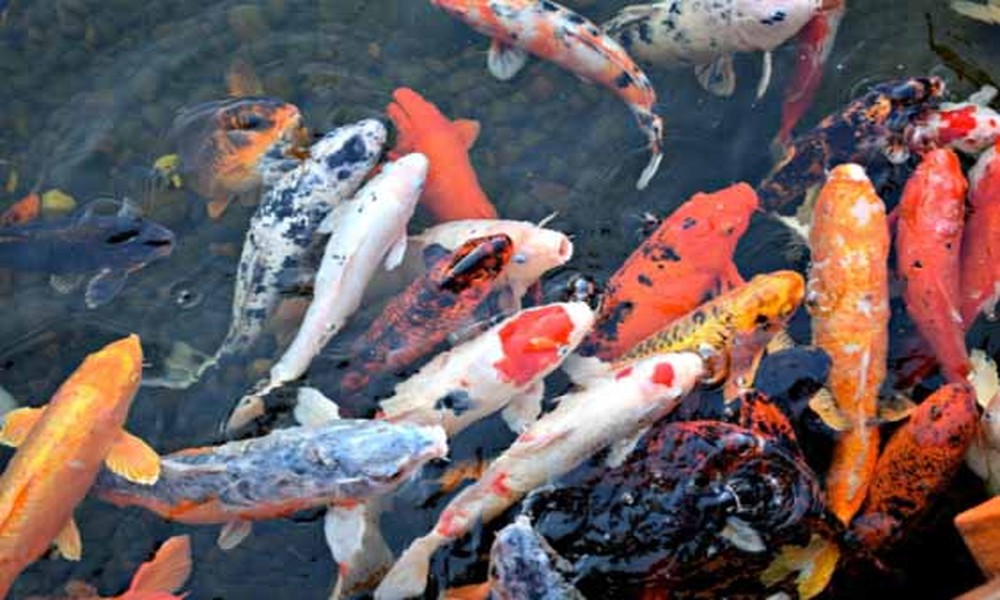
Imagine investing heavily in vibrant ornamental koi, only to notice them becoming sluggish, developing damaged fins, or showing signs of illness. In many cases, the issue isn’t disease-it’s poor water quality. This is where koi pond filters play a critical role. Koi produce a large amount of waste relative to their size and are highly sensitive to changes in their environment. Maintaining proper water conditions is essential for their survival and long-term health.
To thrive, koi require ammonia levels below 0.02 ppm, as even small amounts can be toxic. Nitrite levels must remain close to zero, while pH should stay stable between 7.0 and 8.5. Dissolved oxygen levels also need to exceed 6 mg/L to support proper respiration. Without effective filtration, pond water can quickly become hazardous. Ammonia can damage gills, nitrites interfere with oxygen transport in the blood, and unstable pH levels cause stress. Filtration systems are not optional-they serve as life-support systems by removing debris, processing harmful compounds, stabilizing water chemistry, and maintaining oxygen circulation.
How Koi Pond Filters Work: Breaking Down the Basics
Not all filtration systems function the same way. Understanding their roles allows pond owners to create a balanced and efficient setup. Filtration generally falls into three main categories, each addressing a different aspect of water quality.
Physical Filtration: The First Barrier Against Waste
Physical filtration, also known as mechanical filtration, is the first stage in maintaining clean water. Its primary function is to capture solid debris before it breaks down and releases harmful substances. This includes fish waste, uneaten food, and plant material.
Common components in this stage include foam or sponge filters that trap fine particles, brush systems that collect larger debris, and chambers that use water movement to separate solids. While this stage is essential, it cannot remove dissolved toxins on its own. Without additional filtration, waste will still break down and compromise water quality.
Biological Filtration: The Core of a Healthy Pond
Biological filtration is the most critical component of any koi pond system. This process relies on beneficial bacteria that colonize filter media and convert harmful substances into less toxic compounds through nitrification.
In this process, ammonia is first converted into nitrite, which is still harmful, and then further broken down into nitrate, which is less dangerous in controlled amounts. This transformation is vital for maintaining a safe aquatic environment.
Various biological filtration setups support this process, including systems that expose water to oxygen-rich environments, moving media that encourages bacterial growth, and submerged materials designed to maximize surface area. A well-established biological filter can process the majority of harmful ammonia within hours, making it indispensable for koi health.
Chemical Filtration: Targeted Water Treatment
Chemical filtration is used to address specific water quality concerns. It involves media that actively remove certain contaminants from the water, such as dissolved organic compounds, excess nutrients, or residual treatments.
Materials used in this stage can absorb impurities, capture ammonia during sudden spikes, or help control algae growth by reducing nutrient levels. However, chemical filtration should be considered a supplement rather than a primary solution. It requires regular replacement and does not provide the long-term stability that biological filtration offers.
Choosing the Right Filtration System for Your Pond
Selecting an appropriate filtration system depends on several factors, including pond size, fish population, and feeding levels. The goal is to match the system’s capacity with the demands placed on it.
Smaller ponds typically benefit from compact systems that combine mechanical and biological filtration. Larger ponds require multi-stage setups capable of handling higher water volumes and waste loads. In ponds with a high density of fish, advanced systems with automated cleaning and multiple biological stages are often necessary.
Flow rate is another critical factor. Water should circulate through the filtration system frequently enough to maintain consistent quality. Insufficient flow can lead to stagnant conditions, while excessive flow may disrupt biological processes.
Adjusting Filtration for Seasonal Changes
Filtration needs can vary depending on the time of year and environmental conditions. During colder months, biological activity slows down, requiring adjustments to water flow and feeding practices. In warmer seasons, increased temperatures can lead to rapid algae growth, making additional measures necessary to maintain clarity.
Ponds with high fish populations may require layered filtration systems to handle increased waste production. Combining multiple filtration stages can significantly improve water quality and reduce the risk of disease.
Real-World Results: The Impact of Effective Filtration
Consider a small backyard pond with a high number of fish. Without adequate filtration, water quality can quickly deteriorate, leading to visible stress in the fish and persistent algae problems. By installing a multi-stage filtration system that includes mechanical, biological, and chemical components, water conditions can improve dramatically. Ammonia levels drop, clarity increases, and fish regain their vitality within a short period.
In larger, more demanding environments, upgrading to a hybrid system can yield even more significant results. Improved filtration reduces the need for treatments, enhances fish survival rates, and creates clearer water that highlights the natural beauty of the koi.
Building an Effective Filtration Strategy
Creating a reliable filtration system comes down to a few essential principles. First, the system must be capable of handling the total waste produced in the pond. This includes considering both the number of fish and how much they are fed.
Second, biological filtration should always be a priority, as it addresses the most harmful toxins. Finally, incorporating backup or additional filtration components adds stability and ensures consistent performance even under changing conditions.
Common Mistakes to Avoid
Many pond owners encounter issues due to avoidable mistakes. Using equipment that is too powerful or improperly configured can disrupt the balance of beneficial bacteria. Inadequate water flow can prevent effective filtration, while low-quality materials may degrade and cause blockages.
Overlooking these factors can lead to recurring water quality problems and increased maintenance demands.
Essential Maintenance Practices
Even the best filtration system requires consistent care. Mechanical components should be cleaned regularly to prevent buildup, while water parameters should be tested frequently to monitor conditions.
Chemical media must be replaced according to guidelines to remain effective. Biological filtration, however, should be handled with care-cleaning should be gentle and done using pond water to preserve beneficial bacteria.
Maintaining a routine ensures that the system continues to function efficiently and supports a healthy environment for koi.
Taking Control of Your Pond’s Health
Effective filtration is the foundation of a thriving koi pond. By understanding how different filtration types work and how to combine them, pond owners can create a stable and healthy ecosystem. With the right approach, it becomes possible to maintain clear water, support fish health, and enjoy the full beauty of a well-balanced pond environment.
What challenges have you encountered with your pond’s filtration system? Identifying issues early and making the right adjustments can make all the difference in achieving long-term success.
