

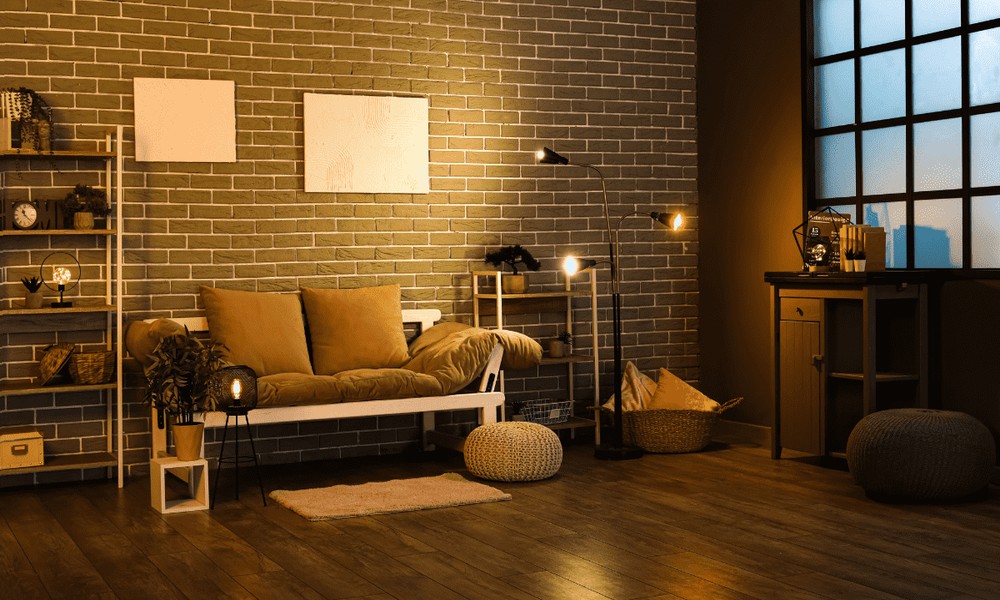
Captivating Statement Lighting for Contemporary Interiors
Gone are the days when a room’s illumination was a mere afterthought. In modern British homes, the fixtures that provide light have undergone a dramatic transformation. They have evolved into sculptural showpieces that command immediate attention and define a space’s character.
These three-dimensional artworks do much more than simply brighten a corner. They establish the entire aesthetic tone of a room. A well-chosen piece can alter how we perceive dimensions and influence our mood from the moment we enter.
This shift reflects a wider movement in interior design philosophy. There is a growing appreciation for risk, maximalism, and organic forms over strict minimalism. The right fixture becomes the unforgettable centrepiece of a scheme.
Today’s lighting serves a dual purpose. It is both an essential functional element and a form of expressive art. Investing in a standout piece means anchoring your décor with a focal point that sparks conversation for years.
Key Takeaways
- Illumination fixtures have become central design features, not just functional items.
- Contemporary pieces act as three-dimensional art that transforms a room’s atmosphere.
- The design shift represents a move towards bold, maximalist choices in home décor.
- Effective lighting alters spatial perception and influences emotional response.
- A signature fixture acts as a long-term investment and a conversation starter.
- These elements combine practical needs with strong aesthetic appeal.
How Statement Lighting in Contemporary Interior Design Transforms Spaces
Beyond mere functionality, today’s luminous pieces actively sculpt the atmosphere of a home. They work by commanding attention through bold scale, intriguing form, or innovative placement.
This approach fundamentally changes how we experience a space. A tall, vertical fixture draws the gaze upwards, making ceilings feel higher. Conversely, a broad, horizontal arrangement can make a room seem more expansive and open.
Defining the Impact of Statement Lighting
The true power of a standout fixture lies in its unifying role. It acts as the visual anchor that pulls together disparate elements of a design scheme. A cohesive look is achieved when furnishings and architecture relate to the central light source.
This creates a clear focal point. The eye is naturally guided, establishing a hierarchy that makes a space feel organised and intentional. It is a sophisticated way to direct movement and flow within rooms.
Setting the Ambience in Modern Rooms
Ambience is directly shaped by the quality and tone of illumination. Warm, diffused light from a pendant fosters intimacy and relaxation. Crisper, architectural pieces promote energy and alertness.
Modern lighting often incorporates smart technology. Dimmable features and adjustable settings allow one statement lighting piece to adapt for different moods and occasions. Supporting ambient lighting ensures the room remains practical while the centrepiece shines.
Curated Inspirations and Iconic Fixtures
From mathematical spheres to organic branches, certain fixtures define current trends. These celebrated pieces demonstrate how form and material create unforgettable visual impact.
Iconic Pendant Lights as Focal Points
The Moooi Raimond pendant light is a star-like globe of interlinked rods. Its tiny LEDs give an even, atmospheric glow. This piece suits spaces with high ceilings.
Tom Dixon’s Melt series uses semi-translucent blown glass. Its surface shifts from mirror-like to molten when lit. This creates a dramatic presence in stairwells.
Clustered pendants, like the Tala Nine, offer a waterfall effect. Multiple bulbs at varying heights add vertical interest. Such arrangements work well in minimalist styles.
Modern Chandelier Trends for Luxurious Spaces
Organic inspiration is key. The Moooi Flock of Lights features fine brass branches tipped with soft caps. It casts a warm, diffused light ideal for dining.
The Meshmatics Gold chandelier uses layered wire mesh. Its structure reflects and refracts light softly. The gold finish adds warmth without heavy ornament.
For a touch of craft, the BTC Pembridge pendant uses hand-pleated bone china. It provides a uniquely soft, porcelain warmth. This fixture excels in intimate settings.
Integrating Statement Lighting into Living and Dining Rooms
Selecting the right fittings for communal spaces requires a careful balance of scale, placement, and mood. In the living room and dining room, a fixture must provide ample illumination while acting as a sculptural anchor. Getting this balance right transforms a functional area into a cohesive, inviting space.
Creating Atmospheric Ambience with Architectural Lighting
Layered schemes are essential for flexibility. A central statement piece provides the primary focus. Softer side lighting, like floor lamps or dimmable wall lights, adds depth.
This approach allows the room’s mood to shift from bright for socialising to soft for relaxation. Directional fittings can highlight artwork or bookshelves, adding another dimension.
Innovative Ideas by Sepia Design
Firms like demonstrate how curated selections complement existing architecture. Their work shows that the right fixture integrates seamlessly, enhancing the overall scheme without overpowering it.
|
Room Scenario |
Recommended Fixture Type |
Key Consideration |
|
Small Living Room |
Appropriately scaled pendant or flush mount |
Avoids dominating the space; keeps sightlines clear. |
|
Large Open-Plan Living/Dining |
Substantial, multi-bulb chandelier or cluster |
Provides necessary visual weight and adequate spread of light. |
|
Dining Room with High Ceiling |
Vertically formed or stepped pendant |
Brings balance and presence to the vertical ceiling height. |
|
Reading Nook in Living Room |
Adjustable floor lamp with warm tone |
Creates a focused, intimate pool of light for comfort. |
Current trends favour large fabric drum pendants and cascading groups. These pieces offer soft, diffused lighting perfect for UK living rooms. The key is to match the fixture’s scale to the room’s proportions for perfect harmony.
Understanding Materials, Textures, and Trends in Lighting
Today’s most compelling fixtures derive their character from a thoughtful marriage of material and texture. This defines their visual style and the quality of light they emit.
Current trends celebrate artisan work and natural forms. Pieces by Avram Rusu or Christopher Tennant use glass, leather, and shell.
Exploring Fine Materials and Texture Combinations
Materials like brass and bone china offer distinct textures. Polished metal contrasts with matte ceramic.
These combinations create visual interest. They also influence how light spreads in a room.
Colour Accents: Incorporating Sepia
Muted, earthy tones are gaining popularity. Using sepia adds vintage warmth to modern schemes.
This approach, seen in Sepia Design projects, suits kitchen and dining decor. It creates a sophisticated ambience.
Blending Vintage Influences with Contemporary Form
Classic lamps are reimagined with bold colours and new materials. Autumn Casey’s resin pieces show this fusion.
This trend injects personality into a space. It respects history while embracing current style.
|
Material |
Common Application |
Key Aesthetic Effect |
|
Brass |
Frames, structural accents |
Provides a warm, reflective glow |
|
Hand-blown Glass |
Pendant shades, chandelier elements |
Creates organic, diffused illumination |
|
Bone China |
Drum shades, sculptural lights |
Offers soft, porcelain luminosity |
|
Braided Leather |
Suspension cords, detailing |
Adds a tactile, biophilic feel |
These trends highlight a shift towards pieces with unique personality. The design work focuses on both form and feel.
Conclusion
Ultimately, the transformative power of a well-chosen light fixture extends far beyond its basic purpose. These pieces have evolved into essential focal points that define a room’s character and atmosphere.
Selecting the right piece requires careful thought. Consider the size and ceiling height of your home. The fixture must complement existing décor while providing adequate light.
Modern options offer incredible versatility. Smart technology and energy-efficient LEDs allow a single statement lighting piece to adapt for different moods. This makes it a worthwhile investment for any interior.
View this selection as a chance for creative expression. The right fittings bring cohesion and personality to your space. They deliver daily returns in comfort and style for years to come.
FAQ
What is the primary role of a statement light in a modern room?
A statement light serves as a definitive focal point, instantly drawing the eye and defining the character of a space. It goes beyond mere illumination to express personal style and become a sculptural piece that anchors the entire design scheme.
How do I choose the right size pendant or chandelier for my room?
Scale is crucial. A good rule is to add the room’s dimensions in feet together and convert that number to inches for the fixture’s ideal diameter. For a dining space, the fitting should be about one-half to two-thirds the width of the table. Always consider the ceiling height to ensure proper proportion and clearance.
Can I mix different lighting styles in one open-plan area?
Absolutely. Layering different types of fittings is key to a dynamic interior. One might use a bold, sculptural pendant over a dining table, complemented by discreet architectural lighting and sleek wall lamps in the living zone. The fixtures should share a common thread, such as material or colour, to harmonise the look.
What contemporary materials are popular for high-impact light fixtures?
Current trends favour a mix of textures and finishes. Brushed brass and aged bronze are popular for warmth, while blown glass and polished marble add organic form. Designers often combine these with matte black metals or woven textiles for added depth and visual interest.
How can I use lighting to create a specific ambience in my living room?
Ambience is controlled by layering. Use a dimmable central pendant or chandelier for general light. Add task lighting with focused floor lamps for reading. Finally, incorporate accent lights, like a directional wall fitting, to highlight art or textures. Dimmers are essential for modulating the mood.
Are large statement lights suitable for rooms with lower ceilings?
Yes, with careful selection. Instead of a multi-tier chandelier, opt for a wide, shallow-dome pendant or a striking linear fixture that spreads light horizontally. Semi-flush or flush-mounted designs with interesting textures or metallic finishes can also make a powerful style statement without sacrificing headroom.
How do I maintain and clean my decorative glass or crystal fittings?
Always switch off and allow the bulbs to cool first. For glass or crystal, use a soft, lint-free cloth lightly dampened with a solution of distilled water and a drop of mild washing-up liquid. Avoid harsh chemicals. Dry thoroughly with a second soft cloth to prevent water spots. For intricate pieces, a soft duster used regularly is best.
