February 10, 2026

In House Innovates

Home Improvement Blog

Growing Demand for Industrial Sheds: A Versatile Solution for Businesses
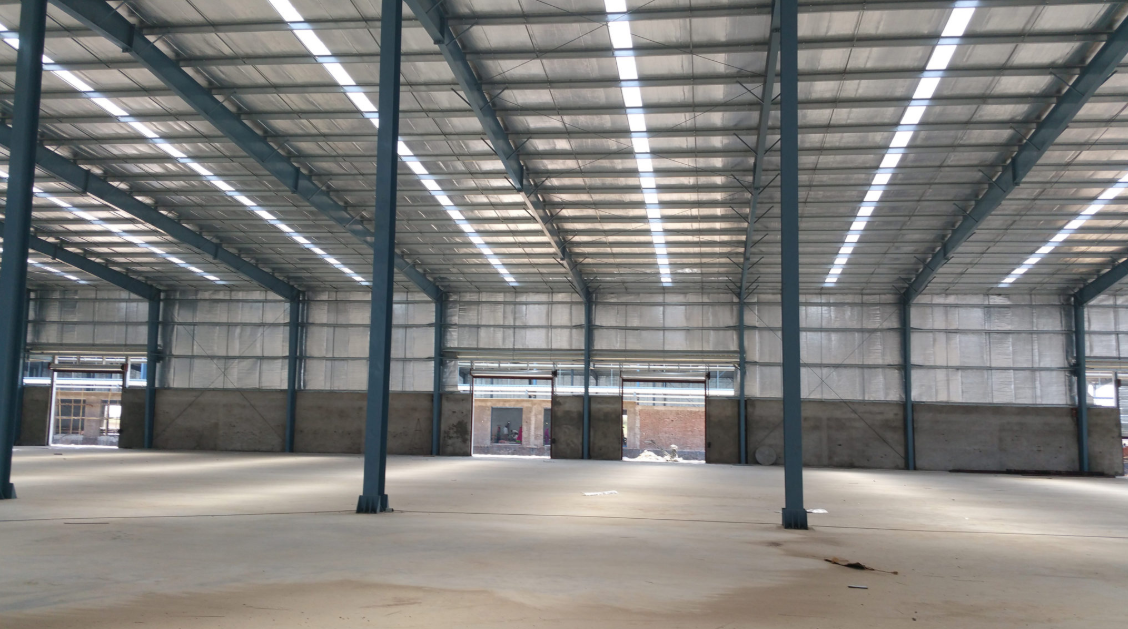
In today’s fast-paced business environment, companies require efficient and cost-effective solutions for storage, manufacturing, and operational needs. Industrial sheds have emerged as a preferred choice for businesses across various sectors due to their durability, flexibility, and affordability. Whether for warehousing, production, or equipment storage, these structures offer a practical alternative to conventional buildings.

Why Industrial Sheds Are a Smart Investment

One of the primary reasons sheds have gained immense popularity is their ability to provide large, open spaces that can be customised to suit specific business needs. Unlike traditional brick-and-mortar buildings, these sheds can be designed and constructed within a shorter timeframe, allowing businesses to commence operations quickly. Additionally, their cost-effectiveness makes them an ideal solution for enterprises looking to expand without incurring excessive expenses. Another advantage of sheds is their adaptability. Companies can modify these structures to accommodate changes in business operations. Whether an organisation requires additional space for machinery or wishes to convert an existing facility into an office, these sheds provide the flexibility needed for seamless transitions.

Customisation and Structural Integrity

One of the key benefits of sheds is their ability to be customised based on specific industry requirements. From selecting the right materials to incorporating advanced ventilation and insulation systems, businesses can tailor these structures to optimise efficiency. Steel, in particular, is a commonly used material due to its strength, durability, and resistance to harsh weather conditions. Furthermore, modern sheds are engineered to comply with stringent safety standards. Fire-resistant coatings, reinforced frameworks, and effective drainage systems ensure that these structures remain secure and functional even in challenging environments. With proper maintenance, they can provide long-term solutions for business operations.

Applications Across Industries

Industrial sheds are widely utilised across numerous industries, each with its own set of unique requirements. In the manufacturing sector, they serve as production facilities where heavy machinery can be housed efficiently. Warehousing businesses use these sheds to store goods securely, ensuring optimal inventory management. Agricultural enterprises benefit from these structures as well, using them for equipment storage, processing facilities, and even livestock shelters. In addition, many commercial enterprises rely on sheds for retail spaces, workshops, and even temporary offices. The ability to configure these structures according to business needs makes them an excellent choice for both small and large-scale enterprises.

Cost-Effectiveness and Sustainability

One of the most compelling reasons businesses opt for sheds is their affordability. Constructing a conventional building can be an expensive and time-consuming endeavour, whereas these sheds offer a more economical solution. Moreover, they require minimal maintenance, reducing long-term operational costs. Sustainability is another crucial aspect to consider. Many modern sheds are designed with eco-friendly materials and energy-efficient solutions, such as solar panels and natural ventilation systems. By incorporating green building practices, businesses can reduce their carbon footprint while also cutting down on energy expenses.

Choosing the Right Industrial Shed for Your Needs

Selecting the right industrial shed requires careful consideration of various factors, including size, location, and intended use. Businesses must assess their specific needs before deciding on a structure that aligns with their operational goals. Working with experienced professionals ensures that the shed meets industry standards and is built to withstand environmental conditions. Additionally, proper planning regarding zoning regulations and permits is essential. Ensuring compliance with local construction laws prevents potential issues in the future and guarantees a smooth building process.

The Role of Technology in Industrial Shed Construction

Advancements in technology have revolutionised the way industrial sheds are designed and constructed. With the help of computer-aided design (CAD) software, businesses can now visualise their sheds before construction begins, allowing for precise planning and efficient use of resources. Additionally, the integration of automation in the manufacturing process has resulted in high-quality materials that enhance the durability and functionality of these structures. Innovative building techniques such as prefabrication have further improved construction efficiency. By assembling shed components off-site and transporting them for installation, businesses can significantly reduce labour costs and construction time while maintaining superior quality standards.

Maintenance and Longevity of Industrial Sheds

To ensure the longevity of sheds, regular maintenance is essential. Routine inspections can help identify potential issues such as rust, leaks, or structural weaknesses before they become major problems. Applying protective coatings and conducting periodic repairs can extend the lifespan of these structures, keeping them functional for years to come. Furthermore, investing in high-quality materials during construction reduces the likelihood of frequent maintenance needs. Opting for corrosion-resistant steel, weatherproof roofing, and efficient drainage systems can significantly enhance the overall durability and reliability of sheds.  

Conclusion

Industrial sheds have become an integral part of modern businesses, offering an effective, flexible, and cost-efficient alternative to traditional buildings. Their adaptability, durability, and affordability make them a valuable investment for companies across various sectors. By selecting the right materials and design, businesses can create functional spaces that enhance productivity while maintaining cost-effectiveness. As industries continue to evolve, these versatile structures will remain a vital asset for enterprises seeking efficient and practical building solutions.