

At a Glance
The phrase “a load of stone” can cover materials meant for very different jobs. A well-graded aggregate for a compacted sub-base behaves differently from a clean stone selected to let water move through it. Sand used as bedding has another role again. If your order describes the material only by colour, maximum particle size or what a previous crew called it, the delivery can look fine on the vehicle and still fail on site. Start with what each layer needs to do, then verify that the material you’re being quoted matches your project specification.
Give Each Layer One Clear Purpose
Read the build-up from the ground upwards. A driveway, yard or footpath may use a supporting layer, bedding and a visible finish, each with a different purpose. The supporting layer needs to work with the ground beneath it and take the anticipated traffic.
Bedding needs to suit the paving or surface above it, and drainage materials must fit the water management design. If someone on site suggests using leftover stone in another layer, check with your engineer or designer before ordering or laying it.
The finished area’s use matters too. A path used on foot differs from a surface that regularly carries delivery vehicles. Repeated turning, braking or loading in the same place puts different demands on a yard from occasional straight-through traffic. A material chosen for a quiet corner of one project should not be used at the entrance to the next.
Include your expected traffic loads and the purpose of each layer whenever you request a quote. This gives the supplier enough information to discuss the right product and makes it easier to compare like with like.
Read the Grading Rather Than Guessing From the Size
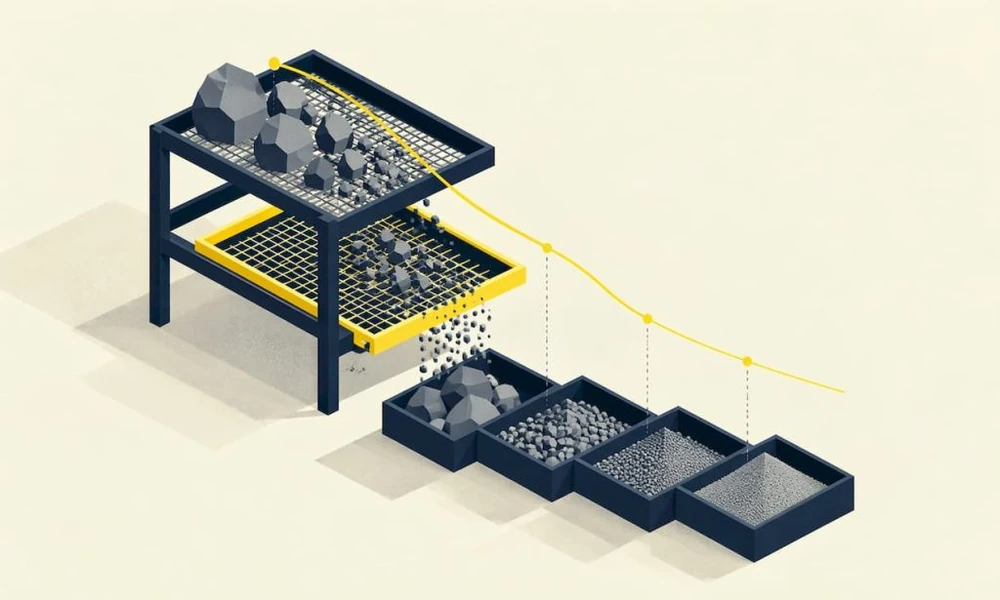
Grading describes how particles are distributed across a range of sizes. A single number on a sales description often tells you much less. In a material intended for a compacted base, a range of particle sizes can help smaller pieces fill spaces between larger ones. In a drainage application, the design may depend on retaining those spaces
Fines that help a particular material pack tightly could be unwelcome where water needs to pass freely. Compare your specification against the supplier’s datasheet and raise any discrepancies before you book a delivery.
Names can sound interchangeable even when the products are different. Type 1, MOT, crusher run and recycled sub-base can appear together in a search, but the exact product description and declared performance are what matter to the order. Ask the aggregate supplier for the name they will put on the ticket, the grading or other product information available and whether the delivered material matches the exact grade quoted.
If your project requires conformity to a particular standard, put that requirement in writing and ask for the supporting test certificates or compliance paperwork.
Check Whether a Recycled Option Meets the Same Brief
Recycled aggregate may suit some uses if its properties meet the job’s requirements. Check what went into the product and how it was processed. Two materials both called recycled aggregate can differ in constituent materials, grading and fines.
If consistency matters across several deliveries, ask how the supplier handles changes in source material. For any specified work, get recycled alternatives signed off through your project’s approval process before you place the order.
Compare the complete cost of the options that meet the brief. A lower price per tonne can disappear if haulage costs more, an additional delivery is needed or the crew must stop while the wrong material is removed. Ask about lead time and availability for later loads. Keep your approved product details attached to the order so you can catch any last-minute substitution before it is unloaded.
Make the Delivery Part of the Specification
Work out how much material the layer needs from the area and design depth, then check the conversion to delivered tonnes with your supplier or estimator. Ask what density and compaction assumptions are being used. The volume of a loose heap is different from the finished volume in place. In a site with limited storage, it may be easier to schedule more than one load so the right material arrives when each layer is ready to be laid.
Choose distinct locations for stockpiles if you’re receiving several grades. Give whoever is receiving the load on your site a copy of the product description, order reference and designated tipping area. Compare the delivery ticket with the order and flag anything unexpected before using it. A visual check can reveal obvious mixing or a different-looking load, but it cannot confirm grading or replace the agreed product records. Keep those delivery records filed so you and any follow-on trades can verify what was laid where.
To Sum Up
A clear aggregate order spells out the layer’s purpose, names the exact specified grade and sets out how it will be checked at your gate. Taking a few minutes to agree what you’ll inspect if a load varies or ground conditions shift keeps your team, your supplier and your project moving smoothly.
That gives the buyer, the supplier and the people placing the material a shared reference point, making repeat orders far simpler when the next phase requires an identical grade and the crew has already moved on.
