
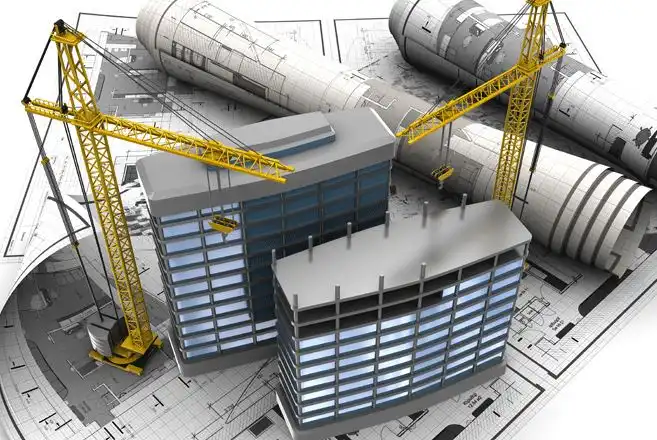
When Shoring Solutions Fail: Real-World Structural Challenges
A single miscalculation on a construction site can turn a routine day into a race against disaster. For any major project, the unseen heroes are the temporary structures that hold everything together until completion. Yet, when shoring systems falter, chaos can take over, and only creative engineering can pull a team back from the brink.
The Critical Role of Shoring in Construction Projects
Shoring systems serve as the skeletal support during key phases of construction, from bridges spanning rivers to multi-storey towers that scrape the sky. They carry the weight of concrete, steel, and expectation, ensuring structural stability while permanent elements take shape. When properly designed and maintained, they are silent sentinels; when neglected or misjudged, they become liabilities.
Common Reasons Shoring Systems Collapse or Underperform
Even the most carefully calculated shoring design can face unexpected setbacks. Poor soil conditions, underestimated live loads, material defects, or communication breakdowns between project teams can trigger failures. Sometimes, the environment itself shifts, with ground settlement or sudden weather events undermining stability in an instant.
Why Conventional Methods Sometimes Fall Short
Traditional engineering relies on past experience and standard calculations. But every site brings unique quirks and variables. Relying strictly on the familiar can miss unseen risks, especially as projects rise in complexity and scale. That is when engineering evolves from science to art, demanding swift, inventive thinking.
Case Study 1: Unexpected Ground Settlement and Shoring Failure
The construction of a major highway overpass seemed routine until subtle ground movements went unnoticed beneath the temporary supports. The initial shoring approach, though textbook in design, failed to account for the site’s hidden pockets of loose soil.
As fine cracks began to appear in the formwork and subtle tilts affected alignment, the team quickly reassessed the situation. Immediate stabilization became the priority, as the structure hovered on the edge of collapse.
This is when adaptive reinforcement techniques changed the outcome. By deploying additional bracing, rapidly injecting grout to firm up soil, and continuously monitoring all movement, the engineers stabilized the shoring before anything catastrophic occurred.
The lesson? Rigid adherence to initial plans is not enough. Recognizing early warning signs and having the expertise to innovate under pressure makes all the difference.
Case Study 2: Overcoming Load Miscalculations in Multi-Storey Building Shoring
During the development of a high-rise, a discrepancy surfaced between the projected and actual loads imposed on the temporary supports. Floor after floor, as the building grew, so did the stresses, until hairline fractures and subtle shifts betrayed the system’s limits.
A detailed investigation traced the problem to a miscalculation of cumulative live loads during concurrent pouring on several floors. The risk was immediate: a domino effect threatening not just progress, but worker safety.
Instead of a costly teardown, the engineering team designed a hybrid solution, blending innovative structural analysis with rapid deployment of supplemental shoring and load distribution equipment. The project was not only salvaged but ultimately completed ahead of revised timelines, with improved long-term integrity.
Engineering Creativity Under Pressure: Beyond Standard Solutions
What separates a crisis from a catastrophe is the ability to think beyond manuals. Seasoned engineers know when to trust their instincts and when to pull in specialized expertise. Real-world creativity means adapting both design and methods on the fly, often in close collaboration with clients to ensure every challenge is tackled uniquely.
Hybrid engineering and turnkey solutions have become essential in managing these high-stakes moments. When time is short and the risks are high, the ability to seamlessly switch between innovative design and rapid equipment deployment can determine a project’s fate.
The NadeauSDM Approach: Securing Sites and Budgets with Expertise
Experience paired with robust methodology is the secret behind consistent success. The NadeauSDM shoring engineer approach begins with deep project understanding and early risk identification, followed by collaborative solution development tailored to each challenge. Their method is not just about putting up supports; it’s about transforming the entire construction process into a secure, efficient operation.
Ongoing follow-up ensures quality is never left to chance. By leveraging a broad network of suppliers, they can source specialized materials and equipment with urgency, keeping projects both safe and on budget.
Key Takeaways: Building Resilience into Shoring Systems
Anticipating trouble is not about pessimism but preparedness. The most resilient shoring systems are those designed with flexibility and creativity in mind, able to evolve as conditions change. Strategic partnerships, where engineering prowess aligns with top-tier equipment and execution, further strengthen outcomes.
Future Trends: Innovations Poised to Revolutionize Shoring Solutions
The next generation of shoring will harness advanced materials for lighter, stronger supports, and leverage digital simulation to predict potential issues before ground is even broken. As construction continues to push boundaries, cultivating a culture of inventive thinking will remain the industry’s strongest foundation.
Failures, when they occur, are not signs of defeat but opportunities for growth and innovation. In structural engineering, success is measured not only by what stays standing, but by how well a team rises to meet the unexpected.



More Stories
Quality Paving by Professional Asphalt Contractor
Excavating Contractor Guide to Safe Backyard Digging Projects
Singapore’s Vertical Revolution: Why Every Lift Journey Matters More Than You Think