

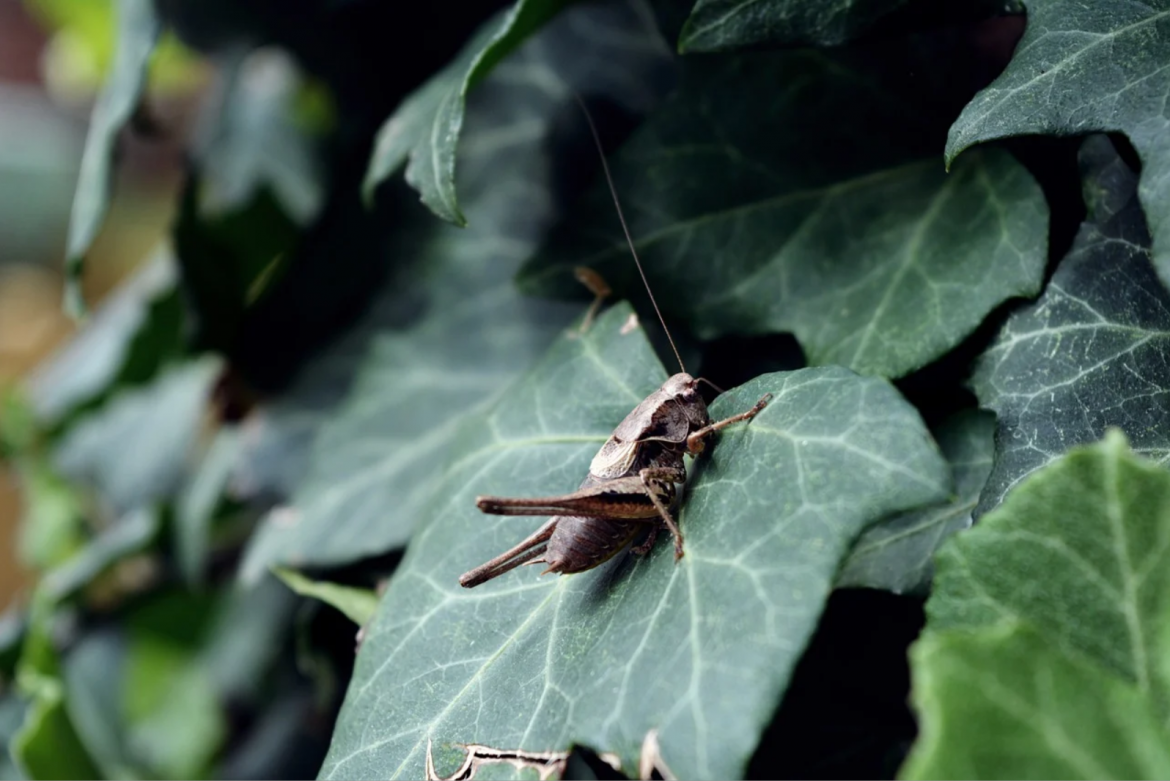
Those of us who live in Phoenix do know the soundtrack of late summer, the never-ending chorus of cricket chirps, which only seems to get louder around bedtime. As the weather starts to cool down from the extreme triple digits, these little minstrels make their presence felt in mass and transform quiet Desert evenings into concert-length song fests. It is the blending of Phoenix’s desert-dry climate with urban housing that creates the perfect breeding grounds for mass cricket action, causing homeowners to turn and toss in August and September nights. You may find the nighttime chorus lovely, but others soon realize that too many crickets can indicate hidden pests that require a specialist such as Green Mango Pest Control to restore peace at night.
Understanding The Science Behind Cricket Chirping and Phoenix’s Climate
The chirping of crickets is not a random noise; it is a biological process that is temperature-dependent and makes the late summer in Phoenix particularly troublesome. Males rub their wings together to create a chirping sound to attract mates, and males chirp more at higher ambient temperatures.
That unusual setting is made possible by Phoenix’s hot, dry air. At night in late summer, the temperature is usually 80-90°F, which is the perfect chirping temperature for crickets. Unlike natural desert regions that drop well into chilly overnight temperatures, the Valley stays warm through the night due to the urban heat island effect. Furthermore, the average annual rainfall in Phoenix is 8.03 inches, and the relatively late summer monsoons deliver just the right amount of moisture for cricket reproduction without the humidity levels that would allow their natural predators to flourish.
Why Late Summer Nights Are Peak Season for Cricket Noise?
Late summer is the ideal set of biological and environmental conditions that makes crickets go wild in Phoenix. Males of most species of crickets call for mates during August and September, which is typically the best breeding season for them. The timing coincides with Phoenix’s slow shift to the comfortable end of the temperature scale; daytime highs remain brutal, but nighttime temperatures drop into the 80-90°F sweet spot for maximum cricket activity and chirping.
Apart from this, the timing is also likely due to the monsoon season. Summer rains make temporary oases of moisture in Phoenix’s otherwise dry landscape and boost insect populations that crickets feed on. Such rains in the season also help loosen the hard-packed desert soil, so that crickets can dig into the ground and create nesting sites.
How do Cricket Populations Spread Across Phoenix Neighborhoods?
Inevitably, cricket distribution among various neighborhoods of Phoenix reflects the broad spatial distributions of local microclimate and landscape features. Areas with watering and plant cover, like Arcadia and Central Phoenix, attract more crickets since they provide a moisture oasis with their rich plant life and watering systems, said Sutherland. This is the kind of optimal cricket environment that shelters, provides food sources, and has a stable water supply.
In newer developments like Ahwatukee or North Phoenix, the crickets are typically found in and around commercial landscaping areas, golf courses, and retention basins. Curiously, Phoenix has an immense canal system built originally for agricultural irrigation that today acts like a cricket highway that facilitates the dispersal of populations throughout the metro area.
Keeping Nighttime Chirps Under Control With The Help of Professionals
Cricket problems that are not resolved despite the efforts of a homeowner should lead them to seek out professional pest control. For instance, establishments such as Green Mango Pest Control recognize the specifics regarding the Phoenix desert habitat and the habits of crickets. These programs employ an integrated strategy that targets the immediate cricket population while addressing the underlying factors that lure them.
Unlike run-of-the-mill treatments that only offer surface-level solutions, professionals factor in climate elements that are unique to Phoenix, including monsoon cycles and urban heat island effects, to deliver sustainable results. During the sometimes cricket-crazy months of late summer, their technology can be deployed in a way that works with, not against, the local desert ecology and restores quiet nights to Phoenix homes.
